Introduction
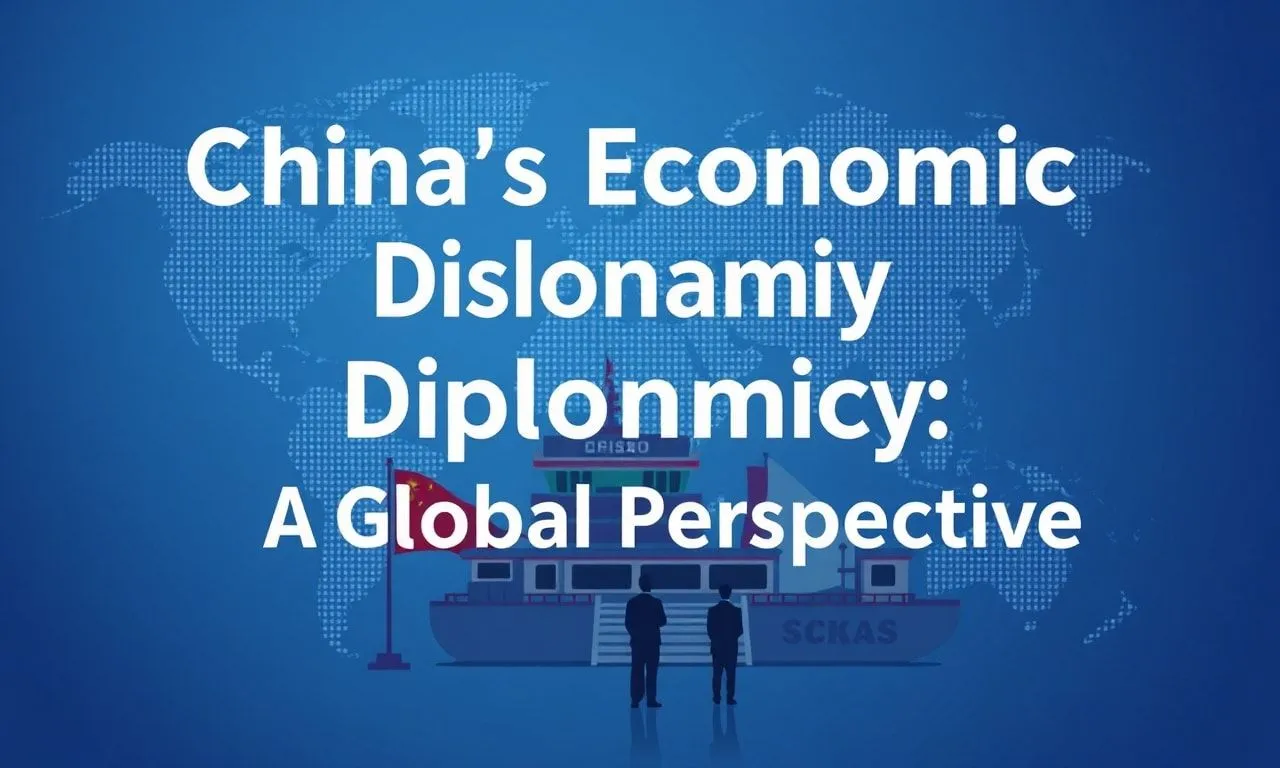
China’s economic diplomacy has been a significant force in shaping global trade and international relations. As the world’s second-largest economy, China’s policies and initiatives have far-reaching implications. This article explores the various facets of China’s economic diplomacy, its impact on different regions, and the broader implications for the global economy.
The Belt and Road Initiative: A Cornerstone of Economic Diplomacy
The Belt and Road Initiative (BRI) is one of the most ambitious economic diplomacy projects in history. Launched in 2013, the BRI aims to connect Asia, Europe, and Africa through a network of land and maritime routes. This initiative has led to significant infrastructure development, trade facilitation, and economic cooperation among participating countries.
The BRI has been both praised and criticized. Supporters highlight its potential to boost economic growth and connectivity, while critics raise concerns about debt sustainability and geopolitical implications. Despite these debates, the BRI remains a cornerstone of China’s economic diplomacy, with over 100 countries and international organizations involved.
China’s Trade Agreements and Economic Partnerships
China has been actively pursuing trade agreements and economic partnerships to strengthen its global economic footprint. The Regional Comprehensive Economic Partnership (RCEP), signed in 2020, is a landmark agreement involving 15 Asia-Pacific countries. This agreement aims to create a large free trade area, facilitating trade and investment in the region.
In addition to RCEP, China has signed several bilateral and multilateral trade agreements. These agreements cover a wide range of sectors, including technology, agriculture, and manufacturing. By fostering economic cooperation, China aims to enhance its trade relations and promote mutual economic growth.
The Impact of China’s Economic Diplomacy on Europe
China’s economic diplomacy has had a significant impact on Europe. The European Union (EU) is one of China’s largest trading partners, and the two regions have been engaged in various economic and trade initiatives. The EU-China Comprehensive Agreement on Investment (CAI), for instance, aims to enhance investment opportunities and economic cooperation between the two regions.
However, the EU has also expressed concerns about China’s economic practices, including market access restrictions and intellectual property rights. These concerns have led to ongoing negotiations and discussions to address trade imbalances and ensure fair competition. For more insights on economic and commercial law news in Spain, you can refer to noticias de derecho mercantil en España.
China’s Role in Global Economic Governance
China’s economic diplomacy extends beyond bilateral and regional initiatives. As a permanent member of the United Nations Security Council and a key player in international financial institutions, China has been actively shaping global economic governance. The Asian Infrastructure Investment Bank (AIIB), for example, is a multilateral development bank initiated by China to support infrastructure development in Asia and beyond.
China’s involvement in global economic governance reflects its commitment to promoting sustainable development and economic stability. By participating in international forums and initiatives, China aims to contribute to the global economic agenda and address common challenges such as climate change, poverty, and inequality.
Conclusion
China’s economic diplomacy is a multifaceted and dynamic process that has reshaped global trade and international relations. Through initiatives like the Belt and Road Initiative, trade agreements, and participation in global economic governance, China has established itself as a key player in the global economy. While challenges and debates persist, China’s economic diplomacy continues to evolve, reflecting its growing influence and commitment to economic cooperation and development.
As the music festival season approaches, we highlight top international festivals to watch that are expected to make waves in 2024.
As artificial intelligence continues to reshape industries, explore how it is transforming fiscal management in our latest feature, AI’s impact on finance.
In the world of sports, a new powerhouse is emerging, as detailed in Ethiopia’s athletic dominance, showcasing the country’s growing influence in global athletics.