
How Trade Tariffs Work and What They Mean for China’s Firms
Learn how tariffs are imposed, how they affect import prices and supply chains, and what Chinese businesses can consider when trading across borders.

Trade tariffs are taxes that governments place on goods crossing a border, usually collected from the importer. The tax can be calculated as a share of a product’s declared value or as a fixed amount per unit. Tariffs raise the cost of importing, but who ultimately bears that cost depends on how businesses, suppliers and customers respond.
For Chinese firms, a tariff can change the landed cost of an export or the price of an imported component. The impact depends on the product’s classification, origin, destination and any applicable trade agreement or exemption. Checking these details before signing a contract can help a company avoid unexpected charges and delivery delays.
Tariffs are also one factor in wider decisions about suppliers, production locations and market access. This guide explains the basic mechanics, how charges reach prices, why governments impose them and how businesses can assess supply-chain exposure. It focuses on practical considerations rather than assuming that every tariff has the same effect.
- Tariffs are border charges, usually paid by the importer, and their rates depend on product classification, value or quantity, and origin.
- The cost may be shared among importers, suppliers and customers rather than passed on in full to retail prices.
- Governments use tariffs for revenue, protection or trade responses, but measures differ in scope and legal conditions.
- Businesses can assess exposure by checking official rules, mapping suppliers and inputs, and keeping accurate origin and customs records.
What a trade tariff is
A tax at the border
A tariff is a government charge on a product when it enters a customs territory, and the importer is generally responsible for paying it. Customs officials assess the charge using the product’s classification, origin and declared value or quantity. That makes accurate paperwork important: an incorrect description can lead to a wrong assessment or a shipment held for review.
- ☐ Confirm the product’s customs classification with a qualified broker or the relevant authority.
- ☐ Check the tariff rate for the destination and the product’s country of origin.
- ☐ Keep invoices and origin records consistent with the goods being shipped.
- ☐ Include duty and related border charges in the landed-cost calculation.
Tariffs differ from taxes collected on domestic sales, although an imported product may face both. For example, a shipment of machinery could incur an import duty at customs and a separate consumption tax when sold in its destination market. The exact charges depend on local rules, so businesses should check the destination country’s tariff schedule before calculating costs.
A tariff may apply to a broad category of goods or target a narrower set of products. Governments can also set different rates according to a product’s origin, including preferential rates under a trade agreement. A company should not assume that shipping through another country changes origin; customs rules typically examine where the product was made or substantially transformed.
How the charge is calculated
A customs duty can be based on value, quantity or a combination of the two. An ad valorem tariff is a percentage of the customs value, while a specific tariff is a fixed charge for each unit, weight or other measure. A combined tariff applies both methods, so importers need to understand the formula rather than rely on a headline rate.
The customs value is not always identical to the amount shown on a product catalogue or purchase order. The destination’s valuation rules may require certain transport, insurance or other costs to be included, depending on the shipment and applicable law. Importers should use consistent, supportable records so that the declared value can be explained if customs asks questions.
Classification matters because similar-looking products can fall into different tariff categories based on their materials, design or intended use. A change in a product’s features may therefore alter its duty treatment even if its commercial name stays the same. Businesses can reduce uncertainty by confirming classification early and reviewing it when product specifications change.
How tariffs affect imported goods
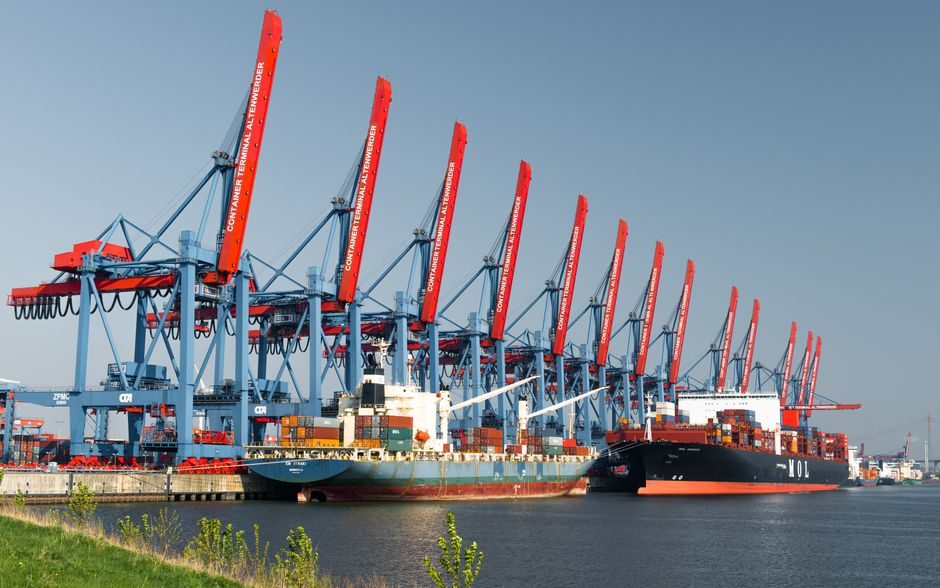
From duty to selling price
A tariff adds to the importer’s cost, but it does not automatically appear as an equal increase in the retail price. The importer may absorb some of the charge, negotiate a lower supplier price, or pass part of it to wholesalers and customers. Which response is possible depends on competition, contract terms and how easily buyers can switch products.
Consider a company importing components for appliances: a new duty may raise its unit costs before the finished goods are assembled. If rivals use locally sourced components, the importer may have limited room to raise prices without losing sales. If alternatives are scarce, a larger share of the added cost may instead reach customers.
The tariff is only one part of the landed cost. Freight, insurance, customs handling, storage and domestic taxes can also affect the final amount a business pays to bring goods to market. Comparing suppliers or destinations on the tariff alone can therefore give a misleading picture of the actual cost.
Who pays in practice
The importer of record usually pays the tariff to customs, but the economic burden can be shared across a supply chain. A buyer may negotiate a lower price from the exporter, while the exporter may accept a smaller margin to keep the order. Alternatively, the importer could pass the extra expense along through higher prices or reduced discounts.
Contracts can shape how quickly a tariff affects a transaction. A fixed-price agreement may leave one party responsible for an unexpected duty, while other agreements allow changes when taxes or border charges shift. Before committing, businesses should check who handles customs clearance, which party bears duties and whether the price can be revised.
Timing matters as well: a shipment already in transit may face different commercial consequences from a new order, even when the same customs rules apply. Companies should confirm the effective date and relevant transition provisions with the destination’s customs authority or broker. They should also document how a change affects delivery, payment and any agreed price.
- Identify the importer of record in the contract.
- Check whether quoted prices include duty and customs charges.
- Review clauses covering changes in taxes or border rules.
- Recalculate landed costs when a tariff takes effect.
Why governments use tariffs
Policy goals and trade-offs
Governments use tariffs for several reasons, including raising public revenue, shielding domestic producers from import competition or responding to another country’s trade measures. A tariff can make an imported product more expensive relative to a domestic alternative. Its effects depend on whether local producers can meet demand and whether buyers have practical substitutes.
- Define the product and trade concern the measure is intended to address.
- Check whether domestic suppliers can meet buyers’ needs.
- Assess effects on firms that use the targeted imports as inputs.
- Review the measure’s scope, exemptions and effective date.
Protection can offer domestic firms time to adjust, but it can also raise costs for companies that rely on imported materials or equipment. If local suppliers cannot provide suitable goods, businesses may face higher input costs without a ready replacement. Policymakers therefore weigh support for one industry against effects on consumers and other sectors.
Tariffs can also be part of negotiations or a response to a trade dispute. Measures may apply to selected products and can change as governments announce new rules, exemptions or agreements. Businesses should distinguish a proposed measure from one already in force and verify its scope, start date and conditions through official notices.
| Approach | How it works | Business consideration |
|---|---|---|
| Tariff | Adds a charge to covered imports | Can raise input or selling costs |
| Quota | Limits the amount imported | Check access and permit conditions |
| Safeguard | Restricts imports under defined conditions | Confirm product scope and duration |
Comparing policy approaches
A government choosing how to respond to import competition has options beyond a broad tariff. A targeted duty focuses costs on specified goods, while a safeguard may be used under defined conditions to address a surge in imports. Each approach has different legal requirements and trade effects, so the label alone does not explain how it applies.
A tariff can be relatively direct to collect at the border, but it may affect every importer of covered products, including firms using them as production inputs. A quota instead limits the amount that may be imported, which can make access depend on how permits are allocated. Neither measure guarantees that domestic producers can quickly fill the resulting supply gap.
Businesses should read the measure itself rather than infer its effect from political statements or general news coverage. The legal text identifies covered tariff classifications, origins, exceptions and procedures for claiming relief. Comparing those details with a company’s invoices and product specifications helps determine whether its goods are actually affected.
A tariff can affect more than the finished product named in a customs notice; it may also raise the cost of components used to make goods elsewhere.
How tariffs shape cross-border supply chains
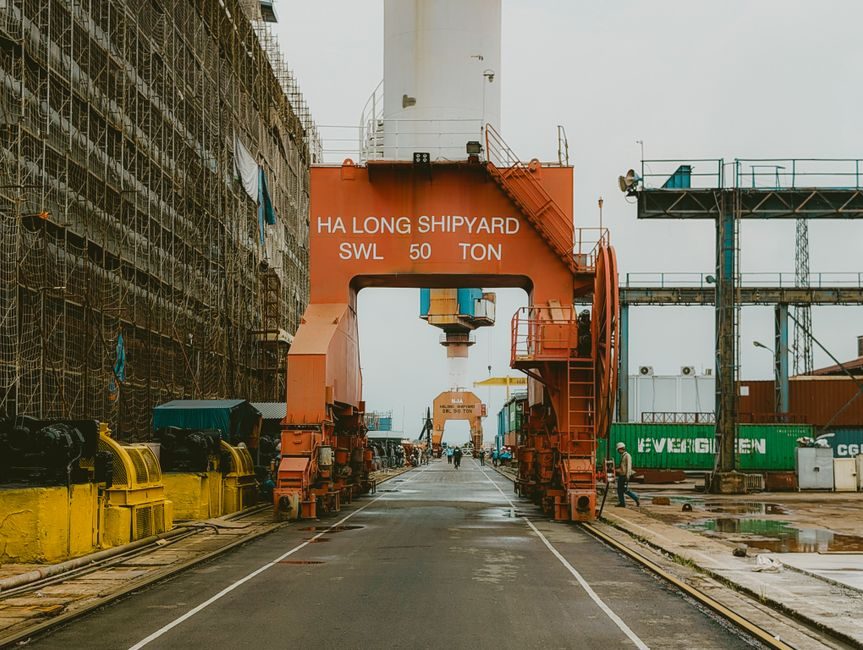
Mapping exposure across suppliers
A tariff can affect more than the finished product named in a customs notice; it may also raise the cost of components used to make goods elsewhere. Businesses should map key inputs to their suppliers, production locations and final markets. That view can reveal indirect exposure when a component crosses borders before becoming part of an exported product.
For a Chinese manufacturer, the relevant question is not only where the final order is delivered but also where each input originates and how it is classified. A component sourced from one country may receive different treatment from an otherwise similar component made elsewhere. Keeping origin and supplier records helps a firm assess those distinctions before production is disrupted.
A practical review starts with products that are essential, difficult to replace or used across many orders. Procurement and logistics teams can compare the tariff exposure of those inputs with their lead times and available alternatives. The result is a clearer picture of which changes deserve attention first and which are less likely to interrupt operations.
Planning for changing costs
When tariffs shift, a company can compare several responses: renegotiate supplier terms, adjust sourcing, change product design or absorb some of the added cost. Each option brings trade-offs in quality, timing, compliance and customer expectations. A decision should be based on the full cost of the change, not just the duty rate on one shipment.
Changing a source or production location does not automatically remove a tariff. Customs authorities apply origin rules, and a minor processing step or shipment through a different country may not qualify a product for different treatment. Businesses should check the applicable rules before making an operational change intended to alter a product’s customs status.
A useful plan assigns responsibility for monitoring official tariff changes and updating purchasing, pricing and shipping decisions. Teams can keep product classifications, origin evidence and supplier details together so they are available when a rule changes. For a disputed or complicated classification, obtaining advice from a customs professional or authority is safer than guessing.
- Track official tariff notices for key products and markets.
- Keep supplier, origin and classification records current.
- Compare alternate sources against quality and delivery requirements.
- Check origin rules before shifting production or processing.
Building visibility in overseas markets
Match Search Terms to Buyers
Start by describing products in the words overseas buyers actually use, not only the terms familiar to the exporting team. A Chinese manufacturer selling industrial pumps, for example, can explain the equipment’s capacity, compatible standards and typical applications on each relevant product page. Clear, market-specific language helps potential customers understand whether an item fits their needs.
Search behavior differs by language and market, so translating a home-market page word for word may leave important questions unanswered. Check how local buyers describe the product, which technical details they expect, and what documentation they need before contacting a supplier. Keep essential specifications accurate across translated pages to prevent confusion during quotation and customs checks.
For exporters seeking customers in a specific market, Local Seo Services can help make a staffed local presence easier to find online. This is most relevant when a company has a genuine local office, showroom or service team that buyers can visit or contact. A web page should make that presence clear without implying that a business operates somewhere it does not.
Make Product Pages Useful
Give each important product its own page with practical details, rather than directing every buyer to a broad company overview. Include model names, specifications, materials, certifications where applicable, and a clear way to ask about availability. When tariffs or import rules affect a product, explain that buyers should confirm the applicable classification and landed cost with the relevant specialists.
A well-organized page helps both human readers and search systems identify the product’s purpose. Use descriptive page titles and headings, and ensure that images have useful captions or alternative text. Keep technical information readable on mobile devices, since overseas buyers may review supplier pages while travelling or comparing options between meetings.
Treat visibility as a continuing process, not a one-time translation project. Review which pages attract qualified enquiries, whether visitors can find shipping and compliance information, and where they stop before contacting sales. Use those observations to improve the page, while keeping product claims and market availability aligned with what the company can actually supply.
Keeping business information consistent across locations

Align Official Business Details
Keep the company’s legal name, address, telephone number and operating details consistent wherever buyers encounter them. Differences between a website, directory listing and sales document can make it harder to verify who is responsible for an offer. Assign one team or system to maintain approved information, and make updates promptly when an office or contact changes.
A firm assessing how to reach overseas buyers may use Seo Services to improve the visibility of its website and product information. Whatever the approach, public-facing details should match the company’s actual operations and the documents supplied to customers. Clear ownership of updates reduces the chance that an old address or inactive contact remains visible after a change.
Separate genuine offices, warehouses and distributors instead of presenting them as interchangeable company branches. A staffed office can be described as a local contact point, while an independent distributor should be identified as such. This distinction helps buyers know where to direct questions about quotations, service, delivery and contractual responsibility.
Coordinate Local Market Pages
For each real location, explain what the site or office does and how it serves customers in that market. A page for a staffed service centre might provide its opening arrangements, supported products and local contact method. Avoid copying identical text across every location page, because buyers need details that distinguish one operation from another.
Set a review process for changes to office hours, telephone numbers, staff contacts and service coverage. Sales teams often hear about operational changes before the website team does, so provide a straightforward route for reporting them. Review public listings alongside the company site, then correct discrepancies at the source and on platforms that display the information.
For cross-border firms, consistent information should not erase local differences that matter to buyers. State which language support, repair services or delivery arrangements are available at each location, and avoid implying that every branch offers the same capabilities. When a location is closed or no longer staffed, update its page and listings rather than leaving customers with a misleading contact point.
Avoiding common digital marketing pitfalls
Avoid Unsupported Market Claims
Check that every claim about products, delivery and local service can be supported before publishing it. Statements such as “available locally” can mislead if stock is shipped only after an overseas order, while a claimed certification may apply to one model but not another. Make the scope clear and have the relevant product or compliance team verify sensitive details.
- Verify product and certification claims before publishing.
- Describe real local operations accurately.
- Qualify delivery and price information that can change.
For businesses with a real, staffed presence in Leicestershire, Leicester Seo Services may be relevant when building visibility among local customers. The broader lesson for exporters is to distinguish a genuine local operation from a target market or a delivery destination. Explain where a company has staff, what services they provide and which enquiries must go to another office.
Do not promise a delivery date or final price on a marketing page if tariffs, customs processing or freight conditions can change the result. Instead, explain what affects the quotation and identify which details are confirmed at the time of sale. This gives buyers a more honest basis for comparison and reduces avoidable disputes after an order is placed.
Measure Enquiries, Not Clicks
A page can attract many visits without producing useful business enquiries, so track actions that matter to the sales team. These may include requests for a quotation, technical questions or calls from a target market. Compare the quality and relevance of enquiries, not just their volume, before deciding whether a campaign or page is working.
Connect marketing reports with the information sales teams gather during conversations. If visitors repeatedly ask about a product specification already shown online, the page may be unclear or difficult to find. If enquiries come from markets the company cannot serve, adjust the page’s targeting and explain geographic limits more plainly.
Avoid changing several parts of a campaign at once if the aim is to learn what improves results. Make a focused update, such as clarifying a product title or adding a missing specification, then review the enquiries that follow. Keep records of changes so the team can distinguish a real improvement from normal variation in buyer activity.
What businesses can do to prepare for tariff changes
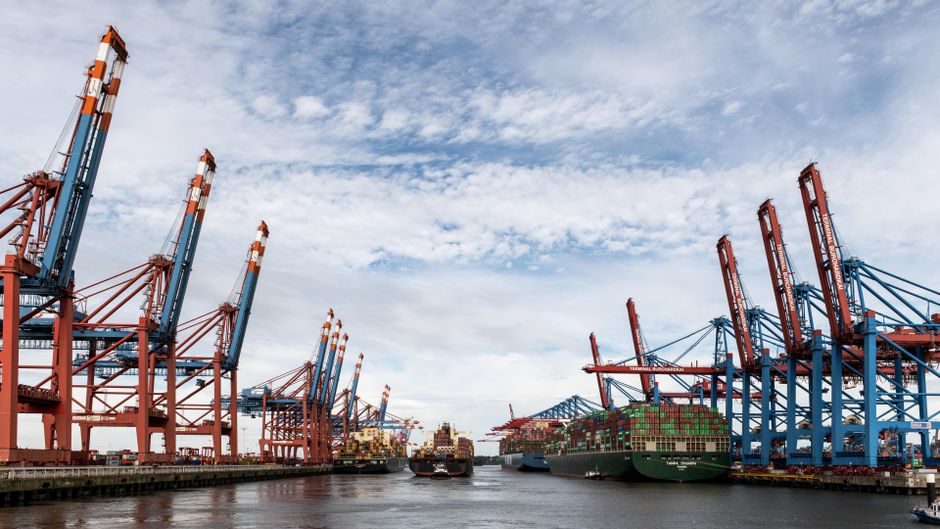
Map Exposure Before Orders
Identify which products, inputs and destination markets could be affected before a tariff change disrupts a shipment. For each important item, record its origin, product classification, supplier and route, then confirm the details with qualified customs professionals. A clear map makes it easier to ask focused questions when official rules or trade measures change.
- Assuming a product classification is correct; confirm it with customs specialists.
- Leaving duty responsibility vague; clarify it in contracts and quotations.
- Relying on old tariff information; check current official guidance.
Review contracts and quotations for language on duties, taxes and changes in import costs. The parties should understand who is responsible for each charge and how a change will be handled, rather than assuming that the seller or buyer automatically bears it. Legal and customs advice can help resolve uncertainty before a new order is committed.
Check official government notices and guidance in the importing and exporting jurisdictions, because tariff measures may differ by product, origin and effective date. Do not rely on a headline or an old spreadsheet as the final authority. Assign someone to verify updates and share the confirmed implications with procurement, finance, logistics and sales.
Build Options Into Planning
Stress-test the supply plan against plausible changes, such as a higher duty on an input or additional customs documentation. Compare the cost and lead time of alternative suppliers, routes and product specifications before a disruption occurs. Keep the exercise practical: identify which options are legally compliant, commercially viable and available within the company’s production needs.
Discuss possible changes with suppliers and customers early, especially when a product depends on imported components or a single shipping route. Ask suppliers what origin documents they can provide and how quickly they can respond to a request. Buyers may also need advance notice if a duty change could affect a quotation, delivery plan or order decision.
Set a clear trigger for reviewing prices, sourcing and delivery commitments when official measures change. The trigger might be a published rule affecting a named product category or a confirmed change in customs treatment. Record who checks the rule, who approves a commercial response and how customers will receive accurate updates, so decisions do not rely on informal messages alone.
Frequently asked questions
Who usually pays a tariff on imported goods?The importer of record generally pays import duties to the customs authority, but the commercial contract determines how the cost is allocated between seller and buyer. A seller may include expected duties in a delivered price, or the buyer may pay them separately on arrival. Confirm the delivery terms, customs responsibilities and charges for each transaction rather than relying on a general assumption.
Can two similar products face different tariff rates?Yes. Rates can depend on the product’s customs classification, origin, destination and any trade measures or exemptions that apply. Goods that seem similar in ordinary language may be classified differently because of their materials, design or intended use. Businesses should verify classification and origin documentation with qualified customs professionals before quoting or shipping, particularly when a product has several versions.
What is the difference between a tariff and a quota?A tariff is a charge applied to imported goods under the relevant rules, while a quota limits the amount of a product that may be imported under specified conditions. Some arrangements can combine limits with duties, so the practical effect depends on the measure and product. Companies should check the official terms for the destination market rather than treating these tools as interchangeable.
Does a tariff always raise the final price for buyers?A tariff increases the cost associated with importing, but the final effect on a buyer’s price can vary. An importer, exporter or intermediary may absorb some of the added cost, or it may be passed through in full or in part. Currency movements, freight, competition and contract terms also influence the final quotation, so assess the whole landed cost.
Prepare for the Next Trade Change
Tariffs affect more than the amount due at customs: they can alter sourcing decisions, delivery plans, quotations and the information buyers need before ordering. Firms reduce uncertainty by knowing which products and routes are exposed, keeping classification and origin records current, and making duty responsibilities clear in contracts. Accurate overseas business information also helps customers reach the right team when circumstances shift.
Choose one product line that matters to your cross-border business and review its origin, classification, supplier options, destination rules and customer-facing price terms. Confirm uncertain details with customs specialists and check current official guidance before acting. Then assign responsibility for monitoring changes and updating sales, procurement, finance and logistics, so a new measure prompts a coordinated response rather than a last-minute scramble.
Add China News as a preferred source on Google


