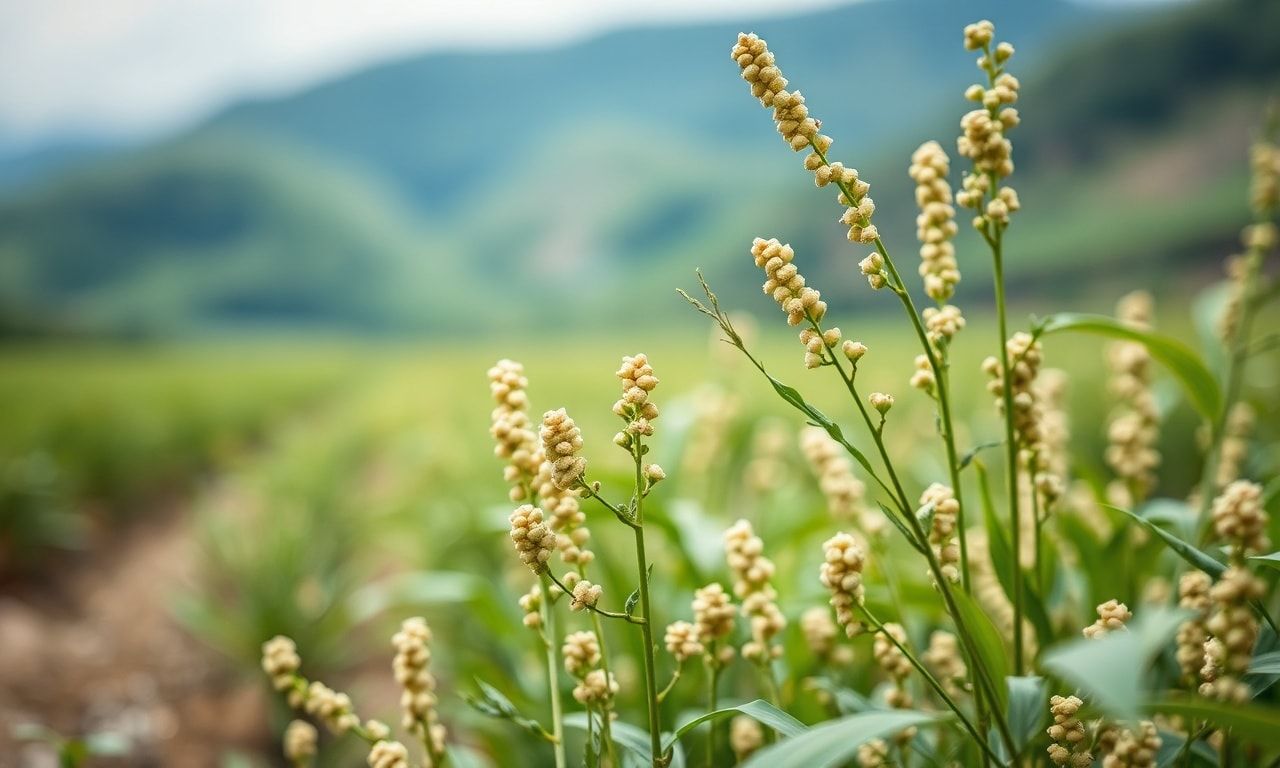
The Green Revolution in China
China, a global agricultural powerhouse, is continually pushing the boundaries of innovation in farming practices. Among the latest trends gaining traction is chia seed farming, a practice that is revolutionizing the way crops are cultivated. This method, known as chia seed farming for intercropping, is not only enhancing crop yields but also promoting sustainable agriculture. As the world grapples with climate change and food security issues, China’s agricultural innovations offer a beacon of hope and a model for other nations to follow.
Understanding Chia Seed Farming
Chia seeds, native to Mexico and Guatemala, have gained popularity worldwide due to their nutritional benefits. These tiny seeds are packed with omega-3 fatty acids, fiber, and protein, making them a superfood. In China, farmers have started to explore chia seed farming as a viable option for intercropping. This practice involves growing chia seeds alongside other crops, such as corn or soybeans, to maximize land use and improve soil health. The benefits of this method are manifold, including increased biodiversity, reduced soil erosion, and enhanced nutrient cycling.
The Benefits of Intercropping
Intercropping, the practice of growing two or more crops in proximity, has been used for centuries in traditional farming systems. However, the integration of chia seeds into intercropping systems is a relatively new concept in China. The primary advantage of this practice is the efficient use of resources. Chia seeds have a shallow root system, allowing them to coexist with deeper-rooted crops without competing for nutrients. This symbiotic relationship ensures that both crops thrive, leading to higher overall yields. Additionally, chia seeds act as a natural pest repellent, reducing the need for chemical pesticides and promoting organic farming practices.
Government Support and Farmer Initiatives
The Chinese government has been instrumental in promoting sustainable agricultural practices, including chia seed farming. Through various subsidies and educational programs, farmers are encouraged to adopt innovative techniques that enhance productivity and environmental sustainability. Local agricultural cooperatives play a crucial role in this transition, providing farmers with the necessary resources and knowledge to implement chia seed farming successfully. The government’s support has led to a significant increase in the number of farmers embracing this practice, contributing to China’s goal of achieving food security and environmental sustainability.
Case Studies and Success Stories
Several regions in China have emerged as pioneers in chia seed farming. For instance, the provinces of Sichuan and Yunnan have seen a notable rise in the adoption of this practice. Farmers in these areas have reported improved soil quality and increased crop yields, demonstrating the effectiveness of chia seed farming. Success stories from these regions have inspired other farmers to explore this method, leading to a domino effect across the country. The positive outcomes of chia seed farming have also attracted the attention of international agricultural experts, who see China’s approach as a model for sustainable farming practices worldwide.
The Future of Chia Seed Farming in China
As China continues to innovate in the agricultural sector, the future of chia seed farming looks promising. The practice is expected to expand to other regions, with farmers increasingly recognizing its benefits. Research institutions are also investing in studies to optimize chia seed farming techniques, ensuring that this practice remains sustainable and profitable. The integration of technology, such as precision farming and data analytics, is likely to further enhance the efficiency of chia seed farming, making it a cornerstone of China’s agricultural landscape. With the global demand for chia seeds on the rise, China’s role as a leading producer is set to grow, benefiting both the economy and the environment.
Challenges and Considerations
Despite the numerous advantages, chia seed farming is not without its challenges. The initial investment required for setting up intercropping systems can be a barrier for small-scale farmers. Additionally, the lack of awareness and knowledge about chia seed farming among some farmers can hinder its widespread adoption. To address these issues, continued government support, education, and research are essential. By overcoming these challenges, China can fully harness the potential of chia seed farming, ensuring a sustainable and prosperous future for its agricultural sector.