The Vision and Scope of the Belt and Road Initiative
The Belt and Road Initiative (BRI), launched by China in 2013, is one of the most ambitious infrastructure and investment projects in modern history. The initiative aims to connect Asia with Africa and Europe through a vast network of land and sea routes, fostering trade, investment, and cultural exchange. Over the past decade, the BRI has evolved into a global endeavor, encompassing more than 100 countries and involving trillions of dollars in investments.
The BRI is divided into two main components: the Silk Road Economic Belt, a land-based network of roads, railways, and pipelines, and the 21st-Century Maritime Silk Road, a sea-based network of ports and shipping lanes. Together, these components aim to create a comprehensive network that facilitates the movement of goods, capital, and people across continents. The initiative has been compared to the ancient Silk Road, which historically connected the East and West, but on a much larger scale and with a greater emphasis on modern infrastructure and technology.
Key Projects and Achievements
Over the past decade, the BRI has led to the completion of numerous high-profile projects that have significantly enhanced connectivity and economic development in participating countries. Some of the most notable projects include:
- The China-Pakistan Economic Corridor (CPEC), a $62 billion infrastructure project that includes highways, railways, and energy projects connecting China’s western province of Xinjiang with Pakistan’s Gwadar Port.
- The Jakarta-Bandung High-Speed Railway in Indonesia, a $6 billion project that will significantly reduce travel time between the two cities.
- The Hambantota Port in Sri Lanka, a strategic deep-sea port that has been leased to China for 99 years in exchange for debt relief.
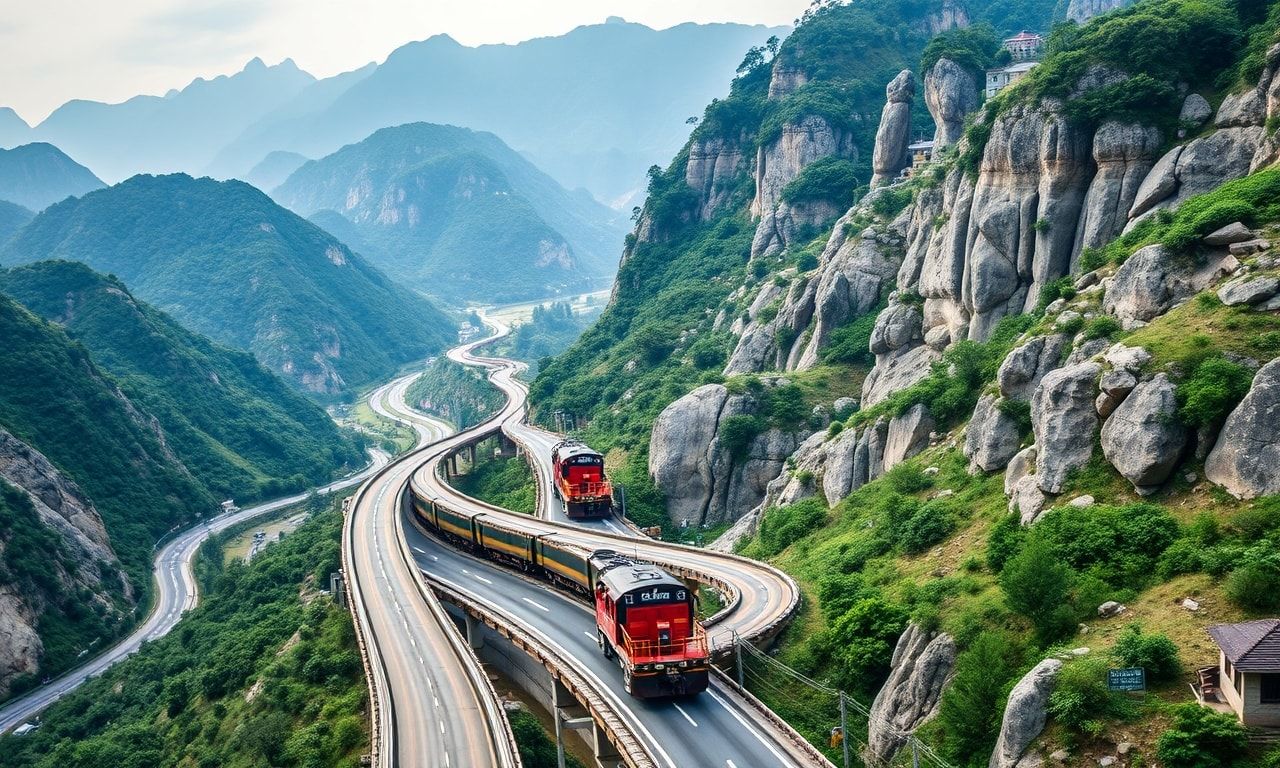
- The China-Europe Railway Express, a freight rail service that connects China with Europe, facilitating trade and reducing transportation costs.
These projects, among many others, have not only improved infrastructure in participating countries but have also created jobs, stimulated economic growth, and fostered regional cooperation. The BRI has also led to the establishment of new trade routes and the development of new industries, contributing to global economic integration.
Challenges and Criticisms
Despite its achievements, the BRI has faced several challenges and criticisms. Some of the main concerns include:
- Debt sustainability: Some participating countries have raised concerns about the high levels of debt associated with BRI projects, which could lead to economic instability.
- Environmental impact: The large-scale infrastructure projects have been criticized for their potential environmental impact, including deforestation, pollution, and displacement of local communities.
- Geopolitical tensions: The BRI has been viewed by some countries as a tool for China to expand its influence, leading to geopolitical tensions and concerns about sovereignty.
- Transparency and governance: There have been calls for greater transparency and better governance in BRI projects to ensure that they are sustainable, inclusive, and beneficial for all parties involved.
To address these challenges, China has been working with participating countries to improve project selection, enhance environmental standards, and promote debt sustainability. The BRI has also been evolving to include a greater focus on green development, digital connectivity, and people-to-people exchanges.
The Future of the Belt and Road Initiative
As the BRI enters its second decade, it continues to evolve and expand, with new projects and initiatives being announced regularly. In 2021, China unveiled a Global Development Initiative (GDI) to promote sustainable development and reduce poverty, which is seen as a complement to the BRI. The GDI aims to mobilize resources and expertise to support developing countries in achieving the United Nations’ Sustainable Development Goals (SDGs).
The BRI has also been adapting to the challenges posed by the COVID-19 pandemic, with a focus on health cooperation, digital connectivity, and green development. The initiative has played a crucial role in facilitating the distribution of vaccines and medical supplies, as well as supporting the recovery of global supply chains.
Looking ahead, the BRI is expected to continue playing a significant role in shaping global trade, investment, and infrastructure development. As the world becomes increasingly interconnected, the BRI’s emphasis on connectivity, cooperation, and shared prosperity is likely to remain relevant and important. However, the success of the initiative will depend on its ability to address the challenges and criticisms it faces and to ensure that its projects are sustainable, inclusive, and beneficial for all parties involved.
Exploring Related Topics
For those interested in learning more about the Belt and Road Initiative and its impact on global trade and investment, there are numerous resources available. One such resource is the önerilen makaleler okuma listesi, which provides a curated list of articles and reports on the BRI and related topics. These resources can help readers gain a deeper understanding of the initiative’s goals, achievements, and challenges, as well as its implications for the global economy.
Conclusion
The Belt and Road Initiative has come a long way since its launch in 2013, evolving into a global endeavor that has transformed infrastructure and investment landscapes across continents. While it has faced challenges and criticisms, the initiative’s focus on connectivity, cooperation, and shared prosperity continues to make it a significant force in shaping the future of global trade and development. As the BRI enters its second decade, it is poised to play an even more crucial role in promoting sustainable development, reducing poverty, and fostering regional cooperation. By addressing the challenges it faces and ensuring that its projects are inclusive and beneficial for all parties involved, the BRI has the potential to create a more connected, prosperous, and sustainable world.
As technology continues to shape our daily lives, explore the latest in smart home integration and how it’s revolutionizing living spaces.