The Path to Carbon Neutrality
China, the world’s largest emitter of greenhouse gases, has set ambitious targets to achieve carbon neutrality by 2060. This commitment is part of a broader global effort to combat climate change and transition towards sustainable energy sources. The journey towards this goal is complex and multifaceted, involving significant policy shifts, technological advancements, and international cooperation.
Policy and Legislative Framework
To meet its carbon neutrality targets, China has implemented a series of policies and legislative measures. The government has introduced the ‘Dual Carbon’ policy, which aims to peak carbon emissions by 2030 and achieve carbon neutrality by 2060. This policy framework includes measures to promote renewable energy, improve energy efficiency, and enhance carbon sinks. Additionally, China has established a national carbon trading market, which allows companies to buy and sell carbon emissions permits, thereby incentivizing reductions in emissions.
Investment in Renewable Energy
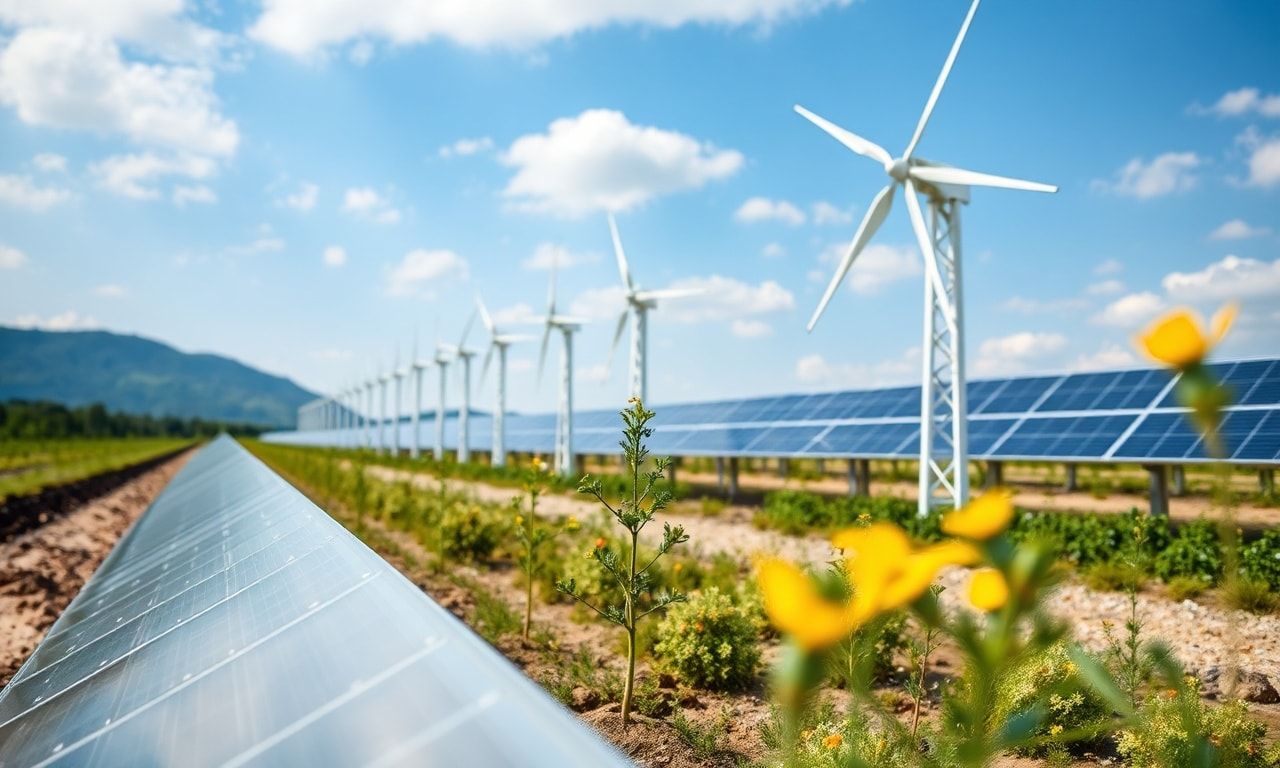
China has made substantial investments in renewable energy sources, particularly in solar and wind power. The country is the world’s largest producer of solar panels and wind turbines, and it continues to expand its capacity in these areas. In 2020, China accounted for nearly half of the world’s new renewable energy capacity. The government has also set targets to increase the share of non-fossil fuels in its energy mix to 20% by 2030. These investments are crucial for reducing the country’s reliance on coal, which currently dominates its energy landscape.
In addition to solar and wind, China is exploring other renewable energy sources, such as hydroelectric and geothermal power. The country has also made significant strides in the development of electric vehicles (EVs) and the infrastructure to support them. With a growing number of EV manufacturers and a rapidly expanding network of charging stations, China is positioning itself as a leader in the global transition to clean transportation.
Technological Innovations
Technological innovation is a key driver of China’s efforts to achieve carbon neutrality. The country is investing heavily in research and development (R&D) to improve energy storage technologies, enhance the efficiency of renewable energy systems, and develop new materials for carbon capture and storage. Chinese companies are also leading the way in the development of advanced technologies for smart grids and energy management systems, which are essential for integrating renewable energy sources into the power grid.
One notable example of China’s technological prowess is its leadership in the field of 5G technology. The widespread adoption of 5G networks is expected to enable more efficient energy management and reduce energy consumption in various sectors. Additionally, China is exploring the use of artificial intelligence (AI) and big data analytics to optimize energy use and improve the overall efficiency of its energy systems.
International Cooperation and Collaboration
Achieving carbon neutrality is a global challenge that requires international cooperation and collaboration. China has been actively engaging with other countries and international organizations to share best practices, exchange technology, and collaborate on research and development. The country has joined several international initiatives, such as the Paris Agreement and the Clean Energy Ministerial, to demonstrate its commitment to global climate action.
China has also been a major player in the global market for renewable energy technologies. By exporting solar panels, wind turbines, and other clean energy technologies, China is helping other countries to transition towards sustainable energy sources. This not only supports China’s own economic growth but also contributes to the global effort to reduce greenhouse gas emissions.
The Role of Fashion and Sustainability
As China transitions towards a carbon-neutral future, various sectors are adapting to more sustainable practices. One such sector is the fashion industry, which has been increasingly focused on sustainability and minimalism. The trend towards minimalist fashion is gaining momentum, with designers and consumers alike embracing simpler, more sustainable designs. For insights into the latest trends in minimalist fashion, you can explore the 2026 ilkbahar minimal modası trendleri and other related resources.
Challenges and Opportunities
While China’s journey towards carbon neutrality presents significant challenges, it also offers numerous opportunities for innovation, economic growth, and environmental sustainability. The transition to a low-carbon economy requires substantial investments in infrastructure, technology, and human capital. It also necessitates a shift in consumer behavior and corporate practices towards more sustainable and environmentally friendly alternatives.
One of the major challenges is the need to balance economic growth with environmental sustainability. China’s rapid industrialization and urbanization have led to increased energy consumption and greenhouse gas emissions. Addressing this challenge requires a comprehensive approach that integrates economic, social, and environmental considerations. The government must continue to implement policies that promote sustainable development, encourage innovation, and foster international cooperation.
Another challenge is the need to ensure a just transition for workers and communities affected by the shift towards a low-carbon economy. The transition to renewable energy and other sustainable practices may result in job losses in traditional industries, such as coal mining and heavy manufacturing. To mitigate these impacts, the government must invest in retraining programs, social safety nets, and new economic opportunities for affected workers and communities.
Despite these challenges, the transition to a carbon-neutral future offers significant opportunities for China and the world. By investing in renewable energy, technological innovation, and sustainable practices, China can position itself as a global leader in the fight against climate change. The country can also create new economic opportunities, enhance energy security, and improve public health by reducing air pollution and other environmental hazards.
Conclusion
China’s commitment to achieving carbon neutrality by 2060 is a bold and ambitious goal that requires a comprehensive and coordinated effort. The country’s progress towards this target will depend on its ability to implement effective policies, invest in renewable energy and technological innovation, and foster international cooperation. By embracing sustainability and minimalism in various sectors, including fashion, China can demonstrate its leadership in the global effort to combat climate change and build a more sustainable future.
In the realm of current events and journalism, understanding the impact of public figures on practical matters is crucial; discover how celebrities influence car maintenance trends in this insightful piece, celebrities shaping car care habits.
To stay updated on the latest trends and happenings, check out entertainment’s biggest moments from the past year.