Introduction
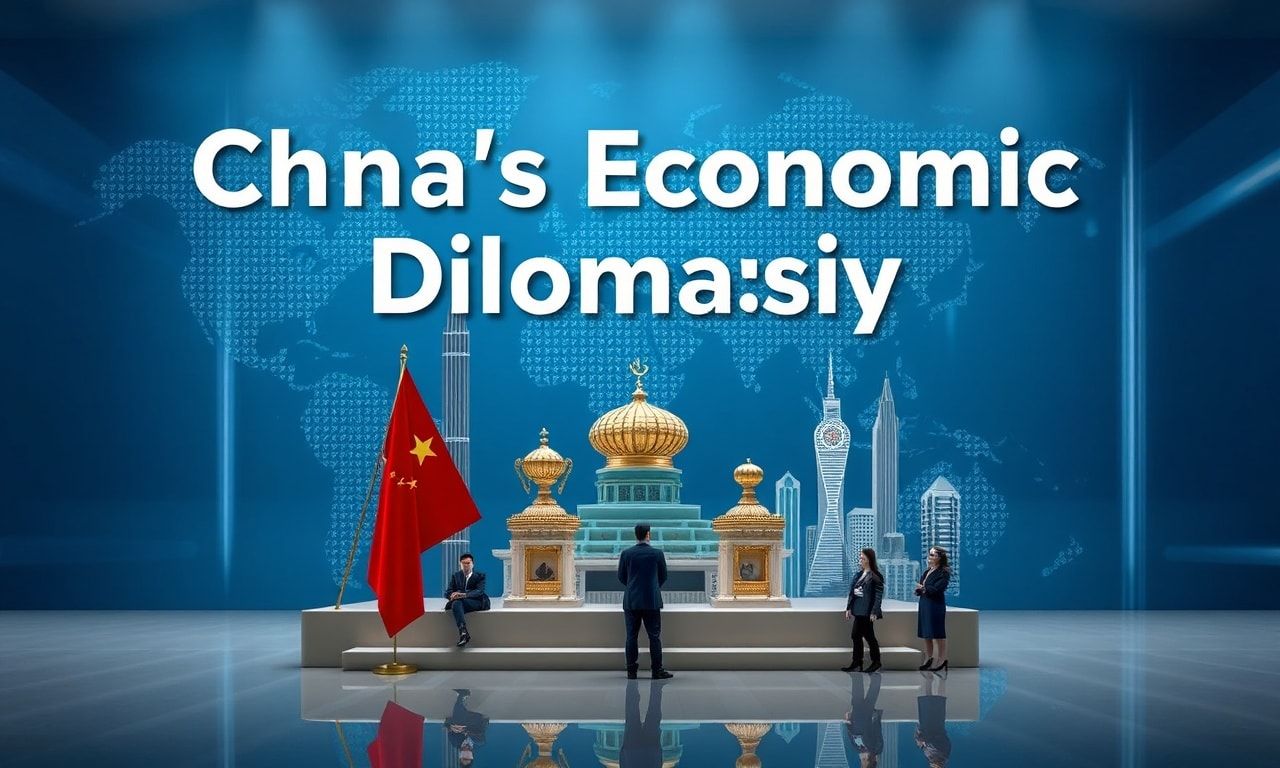
In the ever-evolving landscape of global economics, China’s role as a key player in regional growth and stability cannot be overstated. Through strategic investments, trade agreements, and diplomatic initiatives, China has been instrumental in shaping the economic trajectory of its neighboring countries. This article delves into the multifaceted approach China employs to foster economic cooperation and stability in the region.
The Belt and Road Initiative: A Cornerstone of Economic Diplomacy
The Belt and Road Initiative (BRI) stands as a testament to China’s commitment to regional economic integration. Launched in 2013, the BRI aims to revive the ancient Silk Road trade routes, connecting Asia with Africa and Europe through a network of land and maritime routes. This ambitious project encompasses infrastructure development, trade facilitation, and financial cooperation, creating a robust framework for economic growth.
One of the key components of the BRI is the establishment of economic corridors that link China with its neighboring countries. These corridors facilitate the movement of goods, services, and capital, thereby promoting regional economic integration. For instance, the China-Pakistan Economic Corridor (CPEC) has been a game-changer for Pakistan’s economy, attracting significant foreign direct investment (FDI) and creating job opportunities.
Infrastructure Development and Trade Facilitation
Infrastructure development is at the heart of the BRI. China has invested heavily in building roads, railways, ports, and energy projects in countries along the BRI routes. These infrastructure projects not only enhance connectivity but also stimulate economic activity by reducing trade costs and improving market access.
Trade facilitation is another critical aspect of the BRI. China has been working with its partner countries to streamline customs procedures, harmonize standards, and reduce tariffs. These efforts have significantly eased the flow of goods and services, boosting intra-regional trade. For example, the China-Laos Railway, a key BRI project, is expected to reduce travel time between the two countries and facilitate trade, thereby strengthening economic ties.
Financial Cooperation and Investment
Financial cooperation is a vital pillar of China’s economic diplomacy. The Asian Infrastructure Investment Bank (AIIB), established in 2016, is a multilateral development bank that provides financing for infrastructure projects in Asia and beyond. The AIIB has become a significant player in the region, offering an alternative to traditional financial institutions like the World Bank and the Asian Development Bank.
In addition to the AIIB, China has also established the Silk Road Fund, which focuses on investing in infrastructure projects along the BRI routes. These financial institutions play a crucial role in mobilizing resources for infrastructure development, thereby supporting economic growth and stability in the region.
Analyzing Market Trends
Understanding market trends is essential for informed decision-making in economic diplomacy. For instance, the analisis pasar uang indonesia 2026 provides valuable insights into the future of Indonesia’s money market, highlighting potential opportunities and challenges. Such analyses are instrumental in shaping investment strategies and fostering economic cooperation.
Diplomatic Initiatives and Regional Stability
Diplomatic initiatives are integral to China’s economic diplomacy. Through dialogue and cooperation, China has been able to address regional issues and promote stability. The Shanghai Cooperation Organization (SCO), for example, is a regional security and economic organization that brings together China, Russia, and several Central Asian countries. The SCO serves as a platform for dialogue and cooperation on a wide range of issues, including trade, investment, and security.
China’s participation in regional forums such as the ASEAN Plus Three (APT) and the East Asia Summit (EAS) further underscores its commitment to regional stability. These forums provide a platform for China to engage with its neighbors on issues of mutual concern, thereby fostering a cooperative and stable regional environment.
Conclusion
China’s economic diplomacy is a multifaceted approach that encompasses infrastructure development, trade facilitation, financial cooperation, and diplomatic initiatives. Through the Belt and Road Initiative, China has made significant strides in fostering regional economic integration and stability. The establishment of economic corridors, the promotion of trade facilitation, and the provision of financial support have all contributed to the economic growth of China’s neighboring countries. As China continues to engage with its neighbors through diplomatic initiatives, it is poised to play an even greater role in shaping the economic landscape of the region.