The Evolving Landscape of International Relations
The world of international relations is in a constant state of flux, with geopolitical dynamics shifting at an unprecedented pace. As nations grapple with the aftermath of the COVID-19 pandemic, the global stage is witnessing a resurgence of old rivalries and the emergence of new alliances. This article aims to provide a comprehensive analysis of the current state of global affairs, highlighting key developments and their potential implications.
The Rise of Multipolarity
The post-World War II order, characterized by a bipolar world dominated by the United States and the Soviet Union, has given way to a more complex multipolar system. Today, the international arena is shaped by the influence of several major powers, including China, Russia, the European Union, and emerging economies like India and Brazil. This shift has led to a more fragmented global landscape, where power is dispersed among various actors, each pursuing their own strategic interests.
The Role of Regional Powers
Regional powers are increasingly asserting their influence on the global stage. Countries like Turkey, Iran, and Saudi Arabia are playing pivotal roles in shaping regional dynamics, often challenging the dominance of traditional global powers. For instance, Turkey’s involvement in Syria and Libya has significant implications for regional stability and the broader Middle East. Similarly, Iran’s nuclear ambitions and Saudi Arabia’s leadership in OPEC continue to be critical factors in global security and energy markets.
The Impact of Technological Advancements
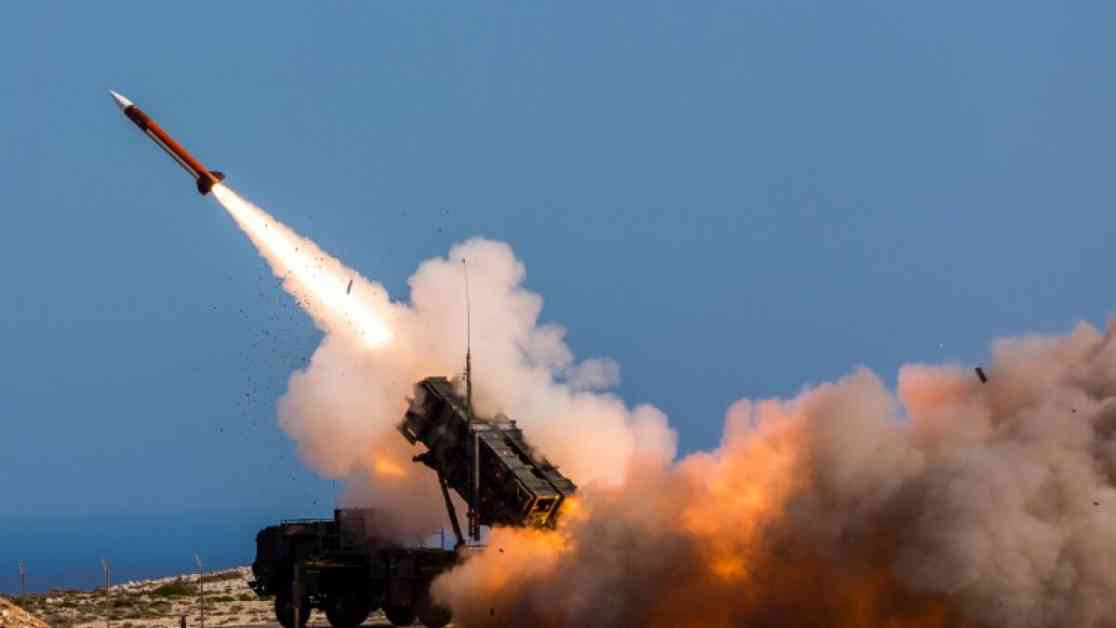
Technological advancements are transforming the way nations interact and compete on the global stage. The rapid development of artificial intelligence, cyber warfare capabilities, and space technology has introduced new dimensions to international relations. These advancements have the potential to reshape the balance of power, as countries with superior technological capabilities gain a strategic edge.
Cybersecurity and Digital Sovereignty
Cybersecurity has emerged as a critical issue in international relations, with state-sponsored cyber attacks becoming increasingly common. Nations are investing heavily in cyber defense mechanisms to protect their critical infrastructure and sensitive data. The concept of digital sovereignty is also gaining traction, as countries seek to assert control over their digital domains and protect their citizens’ data from foreign interference.
The Economic Dimensions of Global Affairs
The economic dimensions of global affairs are equally significant, with trade wars, economic sanctions, and supply chain disruptions shaping the international landscape. The ongoing trade tensions between the United States and China have far-reaching implications for global trade and economic stability. Additionally, the COVID-19 pandemic has highlighted the vulnerabilities of global supply chains, prompting countries to reconsider their economic strategies and prioritize resilience.
The Role of International Organizations
International organizations play a crucial role in addressing global challenges and promoting cooperation among nations. The United Nations, World Health Organization, and International Monetary Fund are just a few examples of organizations that facilitate dialogue and coordination on critical issues. However, the effectiveness of these organizations is often hampered by political divisions and competing national interests. For a detailed analysis of current events and their implications, resources like güncel olaylar analizi değerlendirme provide valuable insights.
The Future of Global Governance
The future of global governance is uncertain, as the world grapples with complex challenges that transcend national borders. Climate change, pandemics, and cyber threats require coordinated international efforts to address effectively. The success of global governance will depend on the ability of nations to cooperate and find common ground, despite their differing interests and priorities.
The Path Forward
As the world navigates the complexities of global affairs, it is essential to foster dialogue and cooperation among nations. Building trust and strengthening international institutions will be key to addressing the challenges of the 21st century. By working together, nations can create a more stable and prosperous world for future generations.
For a deeper understanding of this topic, Edinburgh's Cultural Tapestry: Celebrating Diversity Through offers valuable insights worth exploring.