
What Sports Are Played in China? A Guide for Readers
Explore the sports people play and follow in China, from basketball, football and table tennis to traditional activities, school programs and major events.

People in China play and follow a broad mix of sports, including basketball, football, badminton, table tennis, volleyball and running. Traditional activities such as tai chi, dragon-boat racing and martial arts also remain visible, while professional leagues and international competitions draw large audiences. Which sports are most familiar can depend on age, region, school and whether someone plays casually or follows elite events.
A useful way to understand Chinese sport is to separate everyday participation from spectator interest. School grounds, parks and neighborhood facilities support recreational play, while national teams, domestic leagues and Olympic events bring sports into the public conversation.
This guide explains how popularity works, how schools and communities encourage participation, what traditional and modern options people encounter, and where international viewers can follow Chinese competitions.
- Basketball, football, badminton, table tennis and volleyball are familiar modern sports, while running and park exercise are common recreational options.
- School programs, public facilities and informal games each help people take part, but access varies by location.
- Tai chi, martial arts and dragon-boat racing add traditional activities to China's sporting mix.
- Follow official schedules and venue information to watch competitions or plan an in-person visit.
What Counts as a Popular Sport in China
Participation and Audience Interest
A sport can be popular in China because many people play it, because audiences follow elite competitions, or both. Basketball, football, badminton and table tennis are familiar examples, but a packed international event does not automatically mean the same sport is widely played in every neighborhood. It helps to distinguish everyday access from media attention and competitive success.
Basketball is easy to spot in schools and public courts, while badminton and table tennis suit indoor facilities and smaller groups. Football attracts players and supporters, though access to pitches can shape how often people play. Running and fitness activities also appear in parks, where participants can exercise without joining a formal team.
Sports visibility shifts with the calendar and the level of competition. Olympic events can bring attention to sports that receive less routine coverage, and national teams may attract viewers beyond their regular fan base. For visitors, local courts and parks offer a more immediate view of everyday participation than a major tournament alone.
- Look for public basketball courts in parks and school areas.
- Check community facilities for badminton and table tennis.
- Separate participation from television and event audiences.
Reading Popularity in Context
Popularity varies between places and generations, so avoid treating China as one uniform sporting culture. A city with accessible courts may have visible recreational basketball, while a district with strong school facilities may offer more organized team activities. Weather, available space and local programs all influence what people can play regularly.
Fans may follow a sport they do not play themselves, particularly when a national team competes internationally. Conversely, a familiar activity in parks may have modest professional coverage. When comparing sports, ask whether the evidence concerns participation, organized competition, spectatorship or media attention; each answers a different question.
International visitors planning to attend a match can use serbest piyasa döviz kurları when estimating expenses in another currency, alongside checking venue and travel costs directly. Exchange rates do not explain a sport's popularity, but they can help make event planning more practical. Treat estimates as provisional because rates and personal spending needs can change.
How School and Community Sports Build Participation
Sports in School Life
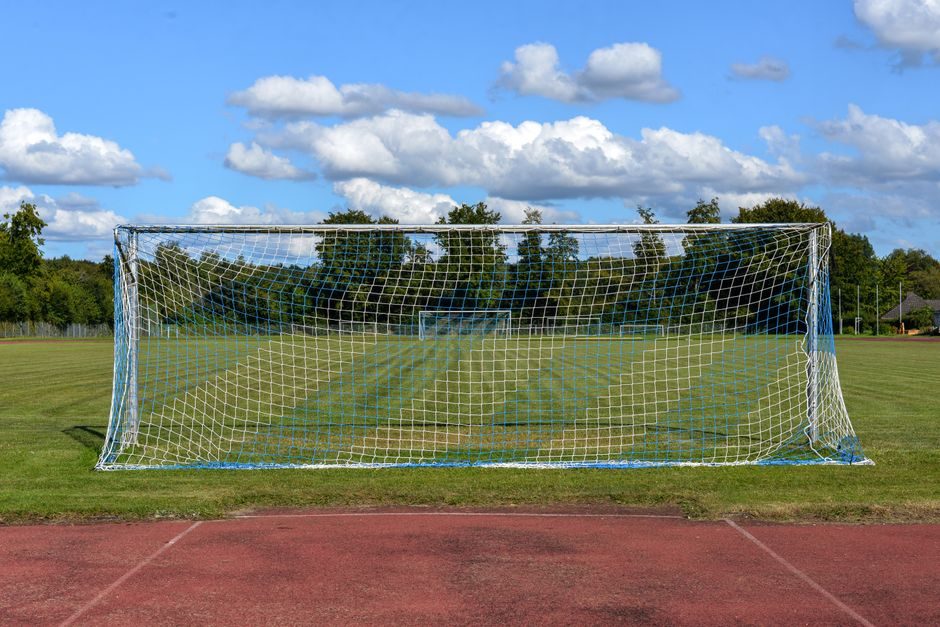
Schools give many young people a first structured chance to try sport, with physical education, school teams and activity periods forming different routes into participation. The options vary by school and available facilities, but familiar activities can include running, basketball, football, volleyball and table tennis. School programs introduce skills as well as rules and teamwork.
A school team usually involves more regular practice and selection than a general physical education class. Students who want to compete may train with a coach, while classmates can take part through lessons or informal games. These routes matter because playing recreationally does not require the same commitment as representing a school.
Facilities shape the experience: a court supports basketball or volleyball, while a field makes football and running easier to organize. Where indoor space is limited, schools may rely more on outdoor areas or activities that need less equipment. The setting can therefore influence which sports students encounter most often, even within the same city.
Neighborhood Routes to Play
Community facilities make sport more accessible after school and beyond organized teams. Public parks may have basketball courts, exercise areas or open space for running, while indoor venues can accommodate badminton and table tennis. The most practical option is often the one close enough to use regularly, rather than the sport with the biggest national profile.
Informal play lowers the barrier to participation because people can join friends without committing to a league or season. A pickup basketball game, a badminton session or a walk and run in a park can fit different schedules and ability levels. Organized clubs offer coaching and structure, but they are only one part of community sport.
Look for signs explaining facility access, opening arrangements and any booking requirements before planning a visit. Some spaces are open for casual use, while others are managed for scheduled activities or organized groups. Asking locally can clarify whether equipment is available, what footwear is suitable and whether a visitor can join a session.
- Check nearby parks for courts and open exercise areas.
- Ask indoor venues about booking and equipment.
- Choose a regular activity that fits your schedule.
- Confirm whether a session welcomes drop-in participants.
Traditional and Modern Sports Options
Activities with Long Traditions
Traditional activities remain part of China's sporting picture, especially tai chi, martial arts and dragon-boat racing. Tai chi is commonly practiced as a controlled movement activity in parks, while martial arts include varied disciplines and training settings. Dragon-boat racing is a team water sport that is particularly visible around festivals and organized events.
- Tai chi is often a recreational practice rather than a spectator competition.
- Martial arts cover distinct disciplines and training approaches.
- Dragon-boat racing combines team coordination with organized events.
These activities differ in purpose and format, so they should not be treated as interchangeable. Someone practicing tai chi may be focused on movement and balance rather than competition, whereas a martial arts class may teach forms, conditioning or sparring. Dragon-boat crews coordinate paddling in a race, making teamwork central to the event.
Local clubs, parks and seasonal gatherings are useful places to encounter traditional sports in practice. If you are comparing travel plans around different events, an online döviz çevirici can convert costs into a familiar currency. Check the event schedule and location independently, since participation and spectator arrangements depend on the specific organizer.
- Tai chi: controlled movement often practiced in parks.
- Martial arts: varied disciplines taught in classes and clubs.
- Dragon-boat racing: coordinated team competition on water.
| Option | Typical setting | What participation involves |
|---|---|---|
| Tai chi | Parks and classes | Controlled movement practice |
| Martial arts | Clubs and training halls | Discipline-specific instruction |
| Dragon-boat racing | Water venues and events | Coordinated team paddling |
| Basketball | Courts and school facilities | Team play with a ball and hoop |
| Badminton | Indoor courts | Racket play across a net |
Modern Competitive Choices
Modern competitive sport in China spans popular team games, racket sports and individual events. Basketball, football, volleyball, badminton and table tennis are among the sports people may encounter in school, clubs, professional competitions or international tournaments. Each has different equipment and space needs, which affects how easy it is to try casually.
Basketball and football are team sports, but they call for different playing spaces and group sizes. Badminton and table tennis can be played in smaller indoor settings, while volleyball depends on a net and a suitable court. Running requires less specialized equipment, making it an accessible option for people who want to exercise independently.
The best choice for a beginner depends on access, interest and the kind of activity they enjoy. Someone seeking a social team game might try basketball or football, while a smaller group may prefer badminton or table tennis. Before joining a club, ask about coaching, equipment, practice schedules and whether newcomers can attend a trial session.
International fans can follow Chinese sport through domestic competitions, national teams and events hosted in China.
Where International Fans Can Watch Chinese Sport

Following Teams and Competitions
International fans can follow Chinese sport through domestic competitions, national teams and events hosted in China. Basketball and football leagues provide regular club competition, while national teams appear in international fixtures. Table tennis, badminton and volleyball also feature in major competitions, giving viewers several ways to follow athletes beyond team-league schedules.
- ☐ Confirm the competition and match date through an official schedule.
- ☐ Check whether a broadcaster carries the event in your region.
- ☐ Note the time zone before setting a reminder.
- ☐ Use official results to verify scores and standings.
Start with the sport and competition you want to follow, then check the organizer's official schedule and the broadcaster available in your region. Coverage can differ between territories, and rights may change, so an old listing is not a reliable guide to a current match. Official team and event channels are useful for confirming dates and results.
For a first-time viewer, following one team or event makes the rules and competition structure easier to understand. Keep track of the format, such as a league season, knockout tournament or international series, because each affects how results lead to the next match. Match previews and official recaps can also help explain unfamiliar teams and standings.
Attending Events in Person
A live event can show how fans experience a sport beyond the action on the court or field. Before buying a ticket, confirm the venue, entry rules, seating information and whether the event is open to the public. Event details can vary, so rely on current information from the organizer or venue rather than assumptions based on another competition.
Plan the journey as carefully as the match itself, especially if the venue is outside the city center or public transport is busy around event time. Check how to reach the entrance, when gates open and what items are restricted. If you do not read Chinese, save key venue details in a form you can show staff.
Allow for practical changes such as schedule updates or altered entry arrangements, and check announcements on the day. Keep your ticket and identification accessible, and follow staff directions inside the venue. A little preparation helps visitors focus on the competition, whether they are attending a football match, basketball game or international tournament.
How to Follow Matches Across Different Leagues
Finding Reliable Schedules
Start with the competition’s official schedule, then check it again near match day because fixtures can change. Chinese football, basketball and other leagues publish calendars through their governing bodies and clubs, while broadcasters may list only the games they carry. Comparing these sources helps distinguish a postponed match from one that simply is not available on your usual viewing service.
- Mistake: relying on a search snippet; better approach: confirm the time on the official schedule.
- Mistake: assuming every league uses the same calendar; better approach: check the competition named in the fixture.
- Mistake: overlooking time zones; better approach: convert the listed local time before planning to watch.
Use the competition name, team names and season when searching, since abbreviated names can point to the wrong league or an older fixture. For a match involving a Chinese club in an international competition, check both the domestic club calendar and the tournament’s schedule. The two calendars can differ when a fixture is moved or a team advances.
Time zones also matter: a listing may show local time in China rather than the viewer’s location. Convert the start time before making plans, and confirm whether a page labels the time zone clearly. A calendar entry is a useful starting point, but the broadcaster’s live listing is the better final check for a specific match.
Choosing a Viewing Route
After confirming a fixture, look for an official broadcaster or streaming service that lists the competition in your region. Rights vary by territory and season, so a service carrying one Chinese league may not show another. Check the match listing itself rather than relying on a platform’s general sports page, which may advertise competitions unavailable where you live.
If live coverage is not offered, official club and competition channels may provide highlights, interviews, match reports or live text updates. These formats suit different needs: highlights show key moments quickly, while written updates can explain substitutions and score changes as they happen. Check the publication time so you do not accidentally see a result before watching a replay.
For a crowded sports weekend, make a short watchlist with each event’s start time, competition and viewing source. Add the time zone beside the start time, especially when comparing events held in different cities. This simple routine reduces last-minute searching and makes it easier to choose between a live match, a replay and a concise highlights package.
Common Misreadings About China’s Sports Landscape

Separating Participation From Spectatorship
Do not assume that a sport’s visibility on television tells you how many people play it recreationally. A major professional competition can draw attention while everyday exercise takes place in parks, school grounds and community facilities. The reverse is also possible: a familiar activity may be widely practiced without generating the same level of professional coverage or national headlines. Travelers comparing budgets across currencies can check bugün dolar kaç TL alongside current ticket, transport and accommodation costs.
Traditional activities and modern league sports are not mutually exclusive parts of Chinese sporting life. Some people pursue activities such as tai chi for health or cultural interest, while others follow professional basketball, football, badminton or table tennis. An individual’s routine can include both recreational exercise and viewing major competitions, depending on access, age and personal preference.
A useful comparison separates three questions: what people play, what audiences watch, and what the country enters in elite competition. Those categories overlap, but they are not interchangeable. When reading a report or comparing sports, look for whether it discusses participation, professional attendance, broadcast interest or international results before drawing a broader conclusion.
Reading Results With Context
An international medal table gives only one view of a country’s sports system. Results depend on the event program, qualification rules, athlete development and the strength of competitors in each discipline. A strong showing in one competition should not be treated as proof that every sport receives equal attention or that recreational participation follows the same pattern.
League structure also shapes what a result means. A club’s performance in a domestic season may reflect a different format, schedule or roster policy from its showing in a cup or international tournament. Before comparing records, identify the event type and season, then check whether the teams faced the same competition conditions.
Avoid treating China as a single audience with identical interests. Cities, age groups and individual communities can have different facilities, teams and sporting traditions. A national headline can tell readers what is receiving attention at that moment, but local reporting and event schedules offer a fuller picture of how sport is followed in particular places.
Practical Tips for Comparing Events and Travel Plans
Planning Around Match Day
Compare the full event details before arranging travel: venue, start time, competition stage and ticket terms all affect the day. A city may host several venues, and a listing that names only the city is not enough to judge travel time. Check the stadium address and the organizer’s entry guidance before choosing accommodation or onward transport.
Build flexibility into plans when a fixture’s date or start time remains provisional. League schedules can be adjusted, while weather or event operations may affect arrangements. Avoid booking a tightly timed connection around an unconfirmed kickoff; instead, check the event page again before departure and keep contact details for the ticket provider or venue available.
For visitors paying in another currency, keep the event budget separate from routine spending and note which costs are quoted in renminbi. Turkish fans budgeting for a trip to follow a match may check bugün dolar kaç TL as one part of their planning, while also comparing card fees and actual travel costs. Exchange-rate information alone cannot establish the final amount charged.
Comparing Events Fairly
When comparing events, start with what is included in each listing rather than ranking by headline appeal. A league match, cup tie and international fixture can differ in importance, format and likely atmosphere. Look for the stage, participating teams and competition rules so you understand what a result means and whether the event suits your interests.
Consider practical access as well as the sport itself. Venue location, public transport, entry conditions and whether tickets are sold through an official channel can change the experience substantially. For a visitor unfamiliar with the city, a match with clear transport guidance may be a better choice than a more prominent event with complicated arrangements.
A compact comparison note can make choices easier: record the sport, competition, venue, confirmed time and ticket source for each option. Add a note about whether the schedule is final or subject to change. This keeps essential facts visible and helps avoid comparing an announced event with one that has fully confirmed logistics.
What to Consider Before Choosing a Sport to Follow

Match Style and Availability
Choose a sport by considering how you like to watch, not only which teams are familiar. Fast-scoring basketball may suit viewers who prefer frequent changes, while football’s longer phases reward attention to shape and tactics. Table tennis and badminton offer quick exchanges, and their event formats can make a short viewing window practical.
- Choose a sport whose match length and style suit your available viewing time.
- Find one competition with a clear, current schedule.
- Follow a team or event and learn its rules as you watch.
- Review after a few matches before adding another competition.
Availability matters too: check which competitions have schedules and coverage you can follow consistently. A sport may interest you, but scattered broadcasts or irregular updates can make it harder to keep track of a season. Pick one league, team or tournament first, then learn its format before adding more competitions to your watchlist.
Look at the calendar before committing to a full season. Some competitions run over many rounds, while knockout events offer a shorter path from opening matches to a final. Knowing how standings, playoffs or elimination work helps you decide whether you want a recurring weekly fixture or a compact event with a clear endpoint.
Learning Rules and Context
A basic grasp of rules makes unfamiliar competitions easier to follow, but you do not need to study an entire rulebook first. Learn the scoring system, match length and main ways a contest can be won. Then watch a full match or an official explainer, paying attention to how those rules shape decisions and momentum.
Team and event context adds meaning to individual results. Check the competition format, the teams’ recent fixtures and whether a match affects qualification, standings or elimination. These details explain why a coach may rotate players or why a close result matters differently at one point in a season than another.
Keep a small list of questions as you watch, such as how substitutions work or how ties are resolved. Find answers through the competition’s official rules or a reliable match guide rather than assuming rules are identical across sports. Over time, the recurring patterns become easier to recognize, and commentary is less likely to feel like unexplained jargon.
Frequently asked questions
Which sports are easiest for a new viewer to start with?Start with a sport whose basic aim is familiar, such as scoring goals in football or points in basketball, and choose a competition with an accessible schedule. Table tennis and badminton can also be easy to sample because rallies make the action visible quickly. Watching one complete match, rather than only highlights, helps you understand pacing, rules and how results develop.
Are traditional Chinese activities mainly competitive sports?Not necessarily. Activities such as tai chi are practiced by many people for exercise, balance or cultural reasons, and may not be approached as formal competition. Some traditional disciplines do have organized events, but the purpose and format vary. It helps to distinguish everyday participation from professional leagues and elite competitions when deciding what a news report or event listing describes.
How can I tell whether a Chinese match is being shown live?Check the official competition schedule for the confirmed start time, then search the broadcaster or streaming service’s specific event listing in your region. A platform may carry a league without showing every match, and a listing can change if fixtures are moved. If live coverage is unavailable, look for official highlights, match reports or live text updates and check their publication times.
What details should I check before attending a match in China?Confirm the venue address, match date and local start time, then review the official ticket terms and entry instructions. Check transport options and allow time to reach the correct stadium entrance. If the fixture is provisional, verify it again before travel. Visitors should also check what payment methods are accepted and plan for any language or ticket-app requirements in advance.
A Clear Starting Point for Following Chinese Sport
China’s sports scene includes recreational activities, traditional practices, professional leagues and international competitions, and each answers a different question about what people play or watch. For a clearer picture, identify whether a report concerns participation, spectatorship or elite results. Then use official schedules and event details to understand where a match fits and how to follow it.
Choose one sport or competition that fits your interests and viewing time, confirm its schedule through an official source, and watch a complete match before expanding your list. As you follow it, note the rules, format and standings that shape each result. That approach turns a broad subject into a manageable routine and makes future Chinese sports coverage easier to interpret.
Add China News as a preferred source on Google


