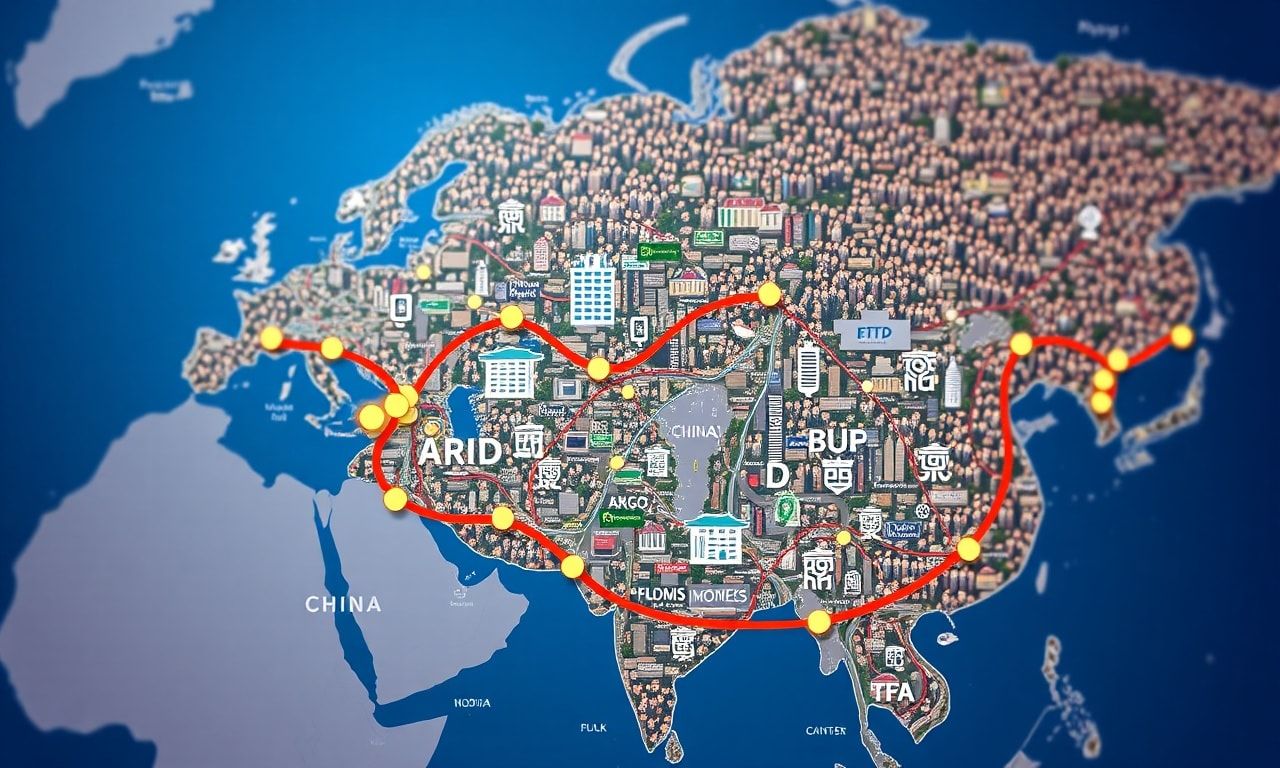
The Vision and Scope of the Belt and Road Initiative
The Belt and Road Initiative (BRI), proposed by China in 2013, is a monumental undertaking aimed at reviving the ancient Silk Road and fostering connectivity and cooperation among countries along its vast network. This initiative encompasses over 60 countries, spanning Asia, Europe, Africa, and beyond, with a focus on infrastructure development, trade facilitation, and financial integration. The BRI is not just a Chinese project; it is a collaborative effort that has attracted participation from numerous nations eager to benefit from enhanced economic ties and infrastructure investments.
Infrastructure Development: The Backbone of the BRI
At the heart of the BRI lies a massive infrastructure development plan. This includes the construction of roads, railways, ports, and energy pipelines that connect China with Central Asia, the Middle East, Europe, and Africa. One of the most notable projects is the China-Pakistan Economic Corridor (CPEC), which involves the development of infrastructure projects across Pakistan, including highways, railways, and energy projects. These infrastructure projects are crucial for facilitating trade and improving transportation networks, ultimately contributing to economic growth and regional integration.
In addition to physical infrastructure, the BRI also emphasizes the development of digital infrastructure. This includes investments in telecommunications, internet connectivity, and digital platforms that facilitate e-commerce and digital trade. The initiative aims to create a seamless digital network that connects businesses and consumers across the globe, fostering innovation and economic growth in the digital age.
The Role of Trade and Investment
The BRI is designed to promote trade and investment among participating countries. By improving transportation networks and reducing trade barriers, the initiative aims to create a more integrated and efficient global trading system. This includes the establishment of free trade zones, the simplification of customs procedures, and the promotion of investment in key sectors such as manufacturing, agriculture, and technology.
One of the key components of the BRI is the Asian Infrastructure Investment Bank (AIIB), which provides financing for infrastructure projects in Asia and beyond. The AIIB has attracted significant international participation, with over 100 member countries contributing to its capital. This financial institution plays a crucial role in mobilizing resources for infrastructure development and supporting the BRI’s objectives.
The Impact on Global Trade and Logistics
The BRI has had a profound impact on global trade and logistics, particularly in the realm of freight and transportation. The initiative has led to the development of new trade routes and the expansion of existing ones, making it easier and more cost-effective to transport goods across vast distances. This has been particularly beneficial for countries in Central Asia and the Middle East, which have traditionally faced challenges in accessing global markets.
For businesses involved in logistics and transportation, the BRI presents numerous opportunities. The development of new infrastructure and the improvement of existing trade routes have created a more efficient and reliable supply chain network. This has led to increased demand for logistics services, including freight forwarding, warehousing, and distribution. Companies that can adapt to these changes and capitalize on the opportunities presented by the BRI are well-positioned to thrive in the global market.
For those looking to navigate the complex landscape of global logistics, resources such as the nakliyat adres listesi can be invaluable. These directories provide comprehensive information on logistics companies and their services, helping businesses to find the right partners for their transportation and distribution needs.
Challenges and Considerations
While the BRI offers significant opportunities for economic growth and development, it also presents challenges and considerations that must be addressed. One of the primary concerns is the sustainability of infrastructure projects, particularly in terms of environmental impact and debt sustainability. Critics have raised questions about the long-term viability of some projects, particularly in countries with limited financial resources.
Another challenge is the geopolitical complexity of the BRI. The initiative involves a diverse range of countries with varying political and economic interests. Navigating these complexities requires careful diplomacy and cooperation among participating nations. Additionally, concerns about transparency, governance, and the equitable distribution of benefits must be addressed to ensure the long-term success of the BRI.
The Future of the Belt and Road Initiative
Despite the challenges, the BRI continues to evolve and expand, with new projects and partnerships being announced regularly. The initiative has the potential to reshape global trade and investment patterns, fostering greater economic integration and cooperation among participating countries. As the BRI continues to develop, it will be crucial for businesses and policymakers to stay informed about the latest developments and opportunities.
In conclusion, the Belt and Road Initiative represents a transformative vision for global connectivity and trade. By investing in infrastructure, promoting trade and investment, and fostering cooperation among participating countries, the BRI has the potential to create a more integrated and prosperous global economy. For businesses involved in logistics and transportation, the initiative presents numerous opportunities to expand their operations and capitalize on the growing demand for efficient and reliable supply chain services.
This weekend promises a vibrant mix of entertainment with movies, music, and gaming events taking center stage.
To gain a deeper understanding of international security dynamics, consider exploring global military expenditure patterns and their implications.
As the logistics industry faces unprecedented challenges, discover how Birmingham is adapting with innovation in our latest feature, Birmingham’s logistics sector evolution.