The Vision Behind the Digital Silk Road
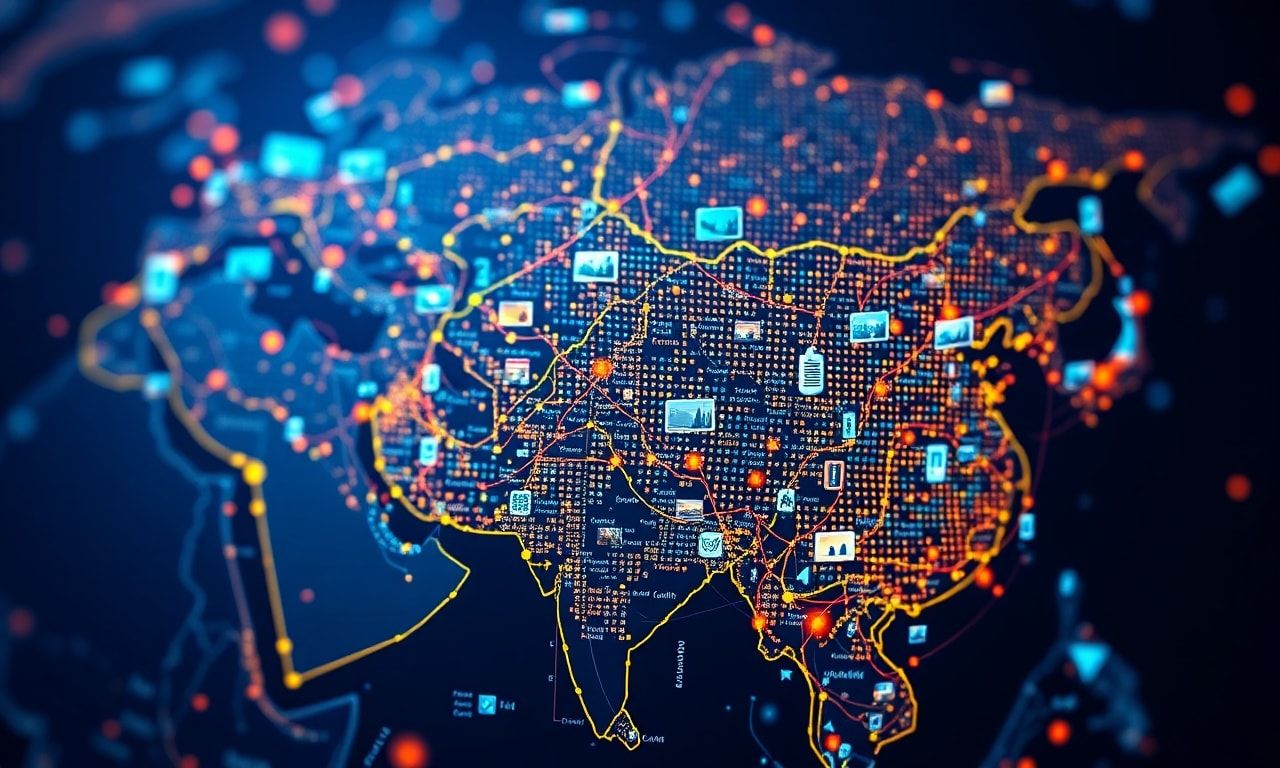
The Digital Silk Road, a component of China’s ambitious Belt and Road Initiative (BRI), is rapidly transforming global connectivity. This modern iteration of the ancient trade route focuses on digital infrastructure, aiming to bridge continents through advanced technology. The initiative seeks to enhance cooperation in areas such as 5G networks, artificial intelligence, and cloud computing, fostering economic growth and cultural exchange.
China’s Digital Silk Road is not just about physical infrastructure; it’s about creating a digital ecosystem that connects businesses, governments, and individuals. By investing in digital infrastructure in partner countries, China is positioning itself as a leader in the global tech landscape. This initiative is part of a broader strategy to enhance China’s influence and promote its technological standards worldwide.
Key Projects and Investments
The Digital Silk Road encompasses a wide range of projects, from the deployment of 5G networks to the establishment of data centers and the development of smart cities. One of the most notable projects is the China-Pakistan Economic Corridor (CPEC), which includes the construction of fiber optic cables and the establishment of digital hubs. These investments are aimed at improving connectivity and fostering economic development in the region.
In addition to CPEC, China has invested heavily in digital infrastructure in Africa and Southeast Asia. For instance, the country has partnered with African nations to build data centers and improve internet access. These investments are not only enhancing digital connectivity but also creating job opportunities and stimulating economic growth in the host countries.
Challenges and Controversies
Despite its potential benefits, the Digital Silk Road faces several challenges and controversies. One of the main concerns is the issue of data security and privacy. As China expands its digital footprint, there are fears that sensitive data could be accessed or manipulated by Chinese authorities. This has led to calls for stricter regulations and oversight to ensure that data remains secure.
Another challenge is the issue of debt sustainability. Many of the countries participating in the Digital Silk Road are heavily indebted to China. There are concerns that these countries may struggle to repay their debts, leading to economic instability. This has raised questions about the long-term sustainability of the initiative and its impact on global economic stability.
The Role of Digital Diplomacy
Digital diplomacy, or e-diplomacy, plays a crucial role in the success of the Digital Silk Road. By leveraging digital tools and platforms, China is able to engage with partner countries more effectively and promote its technological standards. This includes the use of social media, virtual conferences, and online forums to facilitate communication and collaboration.
Moreover, digital diplomacy helps to build trust and foster cooperation between China and its partner countries. By providing technical assistance and training, China is able to enhance the digital capabilities of these countries and promote mutual understanding. This is essential for the long-term success of the Digital Silk Road and the achievement of its goals.
Future Prospects
The future of the Digital Silk Road looks promising, with China continuing to invest in digital infrastructure and technology. As the world becomes increasingly interconnected, the need for robust digital infrastructure will only grow. The Digital Silk Road is well-positioned to meet this need and bridge the digital divide between developed and developing countries.
However, the success of the Digital Silk Road will depend on its ability to address the challenges and controversies it faces. This includes ensuring data security and privacy, promoting debt sustainability, and fostering digital diplomacy. By addressing these issues, the Digital Silk Road can realize its full potential and become a cornerstone of global connectivity.
For businesses looking to enhance their online presence and improve their search engine rankings, leveraging the expertise of a backlink agent für seo can be a game-changer. These professionals specialize in building high-quality backlinks that drive traffic and boost visibility, ensuring that your digital strategy aligns with the latest SEO best practices.
Conclusion
The Digital Silk Road represents a bold vision for the future of global connectivity. By investing in digital infrastructure and technology, China is bridging continents and fostering economic growth. However, the success of this initiative will depend on its ability to address the challenges and controversies it faces. With the right strategies and partnerships, the Digital Silk Road can become a cornerstone of global connectivity and a catalyst for economic development.
As news consumption continues to evolve, delve into how tech reshapes journalism and its impact on current events.