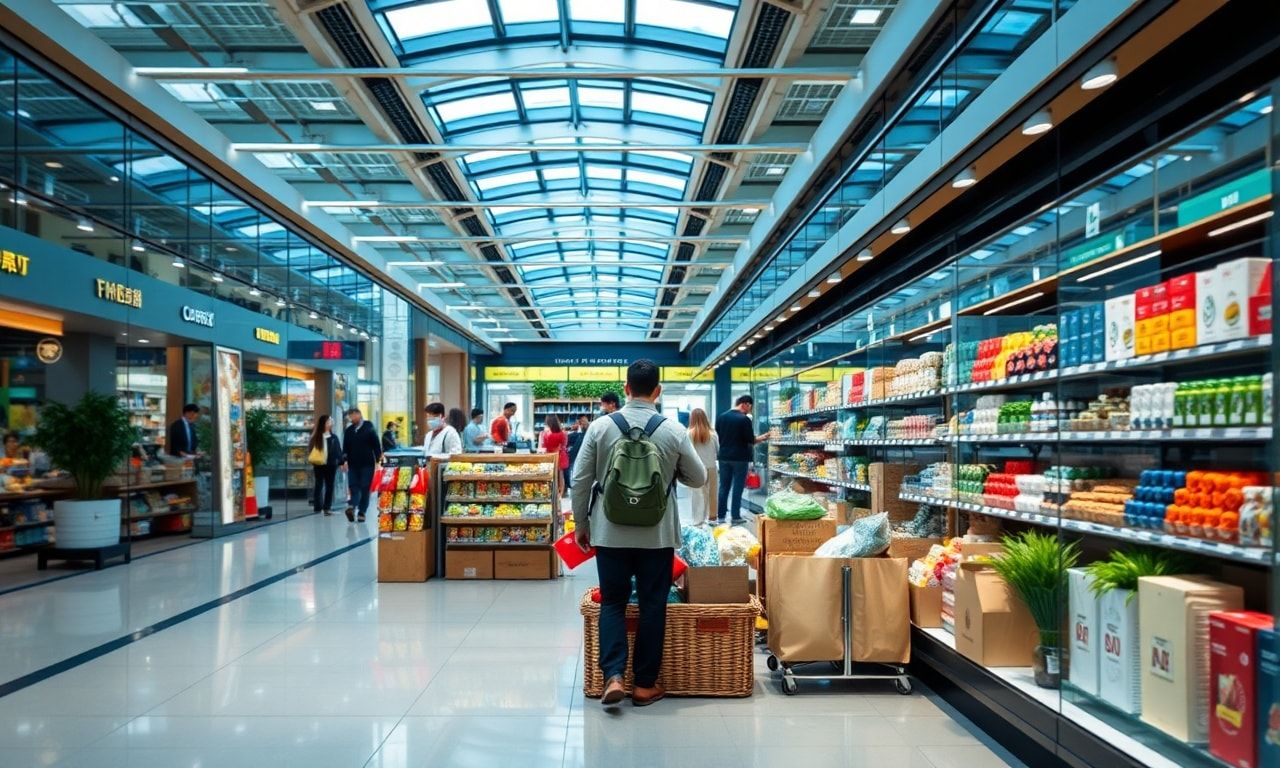
The Rise of Sustainable Shopping in China
In recent years, China has witnessed a significant shift in consumer behavior, with a growing emphasis on sustainability and ethical consumption. This trend is particularly evident in the retail sector, where consumers are increasingly seeking out eco-friendly products and supporting brands that align with their values. According to a report by McKinsey, sustainability is becoming a key differentiator for brands in China, with 70% of Chinese consumers expressing a willingness to pay more for sustainable products.
The Chinese government has also played a crucial role in promoting sustainable shopping practices. In 2020, the Ministry of Ecology and Environment launched the ‘Green Product Certification’ scheme, which encourages businesses to adopt environmentally friendly practices. This initiative has led to a surge in the availability of green products, from clothing to electronics, catering to the evolving preferences of Chinese consumers.
The Impact of Digitalization on Shopping Habits
The digital revolution has also transformed the shopping landscape in China. With the widespread adoption of smartphones and high-speed internet, consumers now have access to a vast array of online shopping platforms. E-commerce giants like Alibaba and JD.com have revolutionized the retail industry, offering convenience and a seamless shopping experience. The COVID-19 pandemic further accelerated this trend, with more consumers turning to online shopping due to lockdowns and social distancing measures.
However, the rise of digital shopping has not diminished the appeal of physical stores. In fact, many retailers are leveraging technology to enhance the in-store experience. For instance, some stores are using augmented reality (AR) to allow customers to virtually try on products before making a purchase. This blend of digital and physical shopping experiences is reshaping the retail landscape in China, offering consumers the best of both worlds.
The Role of Experiential Shopping
Experiential shopping, which focuses on creating memorable and engaging experiences for customers, is another trend gaining traction in China. Retailers are increasingly investing in creating immersive environments that go beyond traditional shopping. For example, some stores are offering workshops, tastings, and interactive displays to engage customers and foster a sense of community. This approach not only enhances the shopping experience but also encourages repeat visits and brand loyalty.
One notable example is the rise of ‘experience stores’ in major cities like Beijing and Shanghai. These stores offer a variety of services, from coffee tastings to DIY workshops, providing customers with a unique and memorable shopping experience. This trend is particularly popular among younger consumers, who value experiences over material possessions. As a result, retailers are increasingly focusing on creating immersive and engaging environments that cater to this growing demand.
The Influence of Global Trends
China’s consumer market is not isolated from global trends. The influence of international brands and shopping practices is evident in the evolving preferences of Chinese consumers. For instance, the concept of ‘slow fashion,’ which emphasizes quality over quantity, is gaining popularity in China. This trend is driven by a growing awareness of the environmental impact of fast fashion and a desire for more sustainable and ethical consumption.
Moreover, the influence of global shopping destinations is also evident in China. For example, the concept of ‘shopping tourism’ is gaining traction, with many Chinese consumers traveling to cities like London to explore its vibrant retail scene. A London shopping guide best stores can provide valuable insights into the best shopping destinations in the city, offering a glimpse into the global trends shaping consumer behavior in China.
The Future of Shopping in China
As China’s consumer market continues to evolve, the future of shopping is likely to be shaped by a combination of sustainability, digitalization, and experiential retail. Retailers that can adapt to these trends and cater to the evolving preferences of consumers will be well-positioned to succeed in this dynamic market. Additionally, the influence of global trends and shopping practices will continue to play a significant role in shaping the retail landscape in China.
In conclusion, the shift towards sustainable and experiential shopping in China reflects a broader global trend towards more conscious and engaging consumption. As retailers continue to innovate and adapt to these trends, the shopping experience in China is set to become even more dynamic and diverse, offering consumers a wide range of options to explore and enjoy.
As communities increasingly adopt green initiatives, our latest report, eco-friendly practices taking root, examines the growing trend of sustainable living.
In the realm of urban sustainability, Düsseldorf is making significant strides with new green initiatives, as detailed in Düsseldorf’s push for sustainable growth.
As mental health awareness continues to gain global traction, a new report explores Taiwan’s growing self-care movement and its impact on societal well-being.