The Shifting Landscape of International Relations
The world is witnessing a series of significant geopolitical shifts that are reshaping international relations. From trade agreements to diplomatic alliances, the global stage is evolving at a rapid pace. This article delves into the latest developments, providing a comprehensive overview of the current state of affairs.
Trade Agreements and Economic Alliances
One of the most notable recent developments is the signing of the Regional Comprehensive Economic Partnership (RCEP) agreement. This landmark deal involves 15 Asia-Pacific countries, including China, Japan, and South Korea, and aims to create one of the world’s largest free trade blocs. The RCEP is expected to boost economic growth and foster closer ties among member nations.
In Europe, the United Kingdom’s post-Brexit trade negotiations have been a hot topic. The UK has been working to secure trade deals with various countries, including the United States and Japan. These agreements are crucial for the UK’s economic stability and future growth prospects.
Diplomatic Alliances and Conflicts
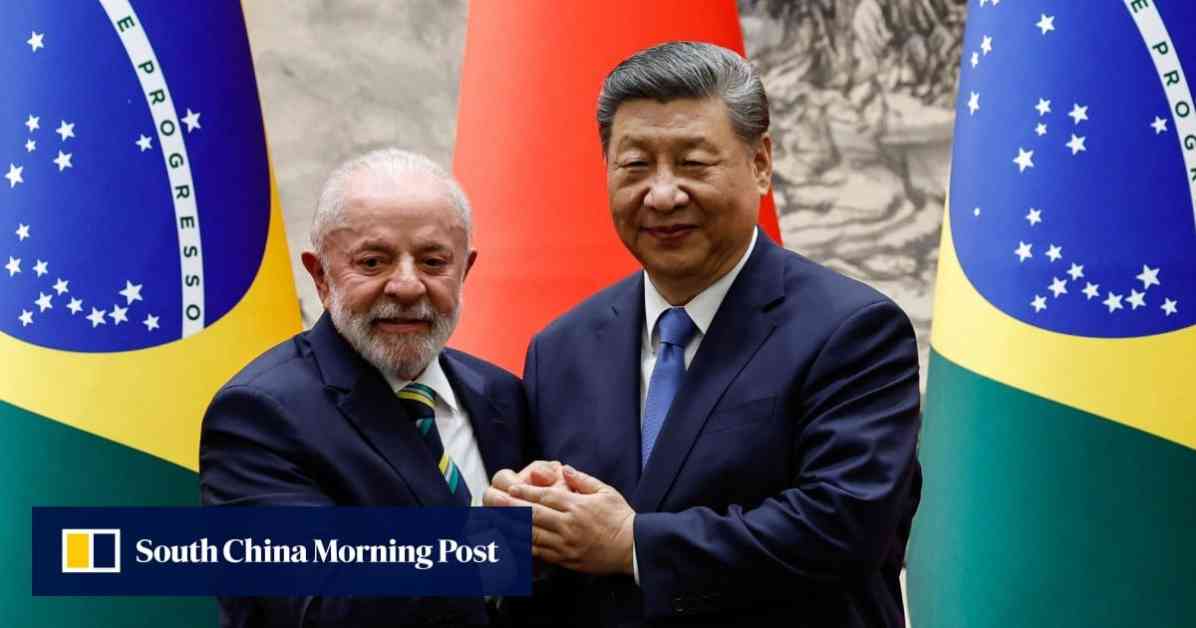
The diplomatic landscape has also seen significant changes. The United States has been actively engaging with its allies in the Indo-Pacific region, aiming to counterbalance China’s growing influence. This has led to increased military cooperation and joint exercises among countries like Australia, Japan, and India.
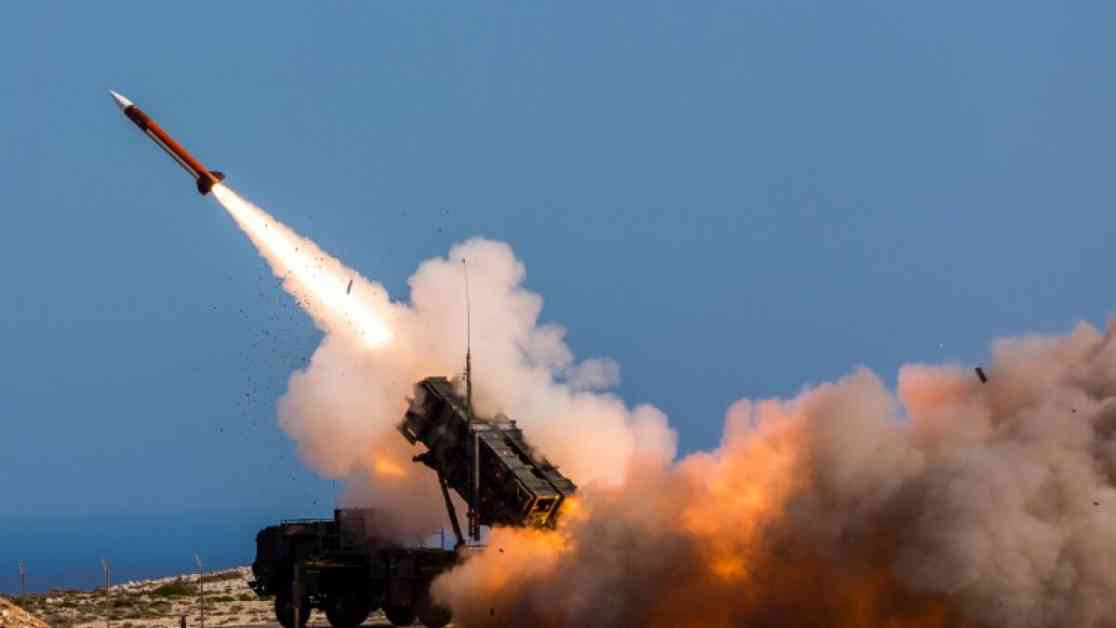
Meanwhile, tensions in the Middle East continue to be a major concern. The ongoing conflict in Yemen and the recent developments in Iran have drawn international attention. The United Nations and other global organizations are working to mediate and find peaceful solutions to these complex issues.
Climate Change and Environmental Initiatives
Climate change remains a critical global issue. The recent COP26 summit in Glasgow highlighted the urgent need for international cooperation to combat climate change. Countries have pledged to reduce carbon emissions and transition to renewable energy sources. However, the effectiveness of these pledges remains to be seen.
In addition to international efforts, individual countries are taking steps to address environmental challenges. China, for instance, has announced plans to achieve carbon neutrality by 2060. This ambitious goal involves significant investments in renewable energy and technological innovation.
Technological Advancements and Cybersecurity
The rapid advancement of technology has brought both opportunities and challenges. The rise of 5G technology, artificial intelligence, and quantum computing is transforming industries and societies. However, these advancements also raise concerns about cybersecurity and data privacy.
Countries are increasingly focusing on cybersecurity measures to protect their digital infrastructure. The United States and China are at the forefront of this effort, investing heavily in cybersecurity research and development. International cooperation is essential to address the global nature of cyber threats.
Community and Local News
While global developments capture headlines, local news also plays a crucial role in shaping communities. For instance, recent updates from London highlight the city’s efforts to recover from the COVID-19 pandemic. According to the London community news update, local businesses are adapting to new challenges and opportunities, while community initiatives aim to support vulnerable populations.
Similarly, other cities around the world are focusing on local issues such as education, healthcare, and infrastructure. These efforts are vital for the well-being of residents and the overall stability of communities.
Conclusion
The world is undergoing significant changes, from geopolitical shifts to technological advancements. Understanding these developments is crucial for navigating the complexities of the modern world. By staying informed and engaged, individuals and communities can contribute to a more stable and prosperous future.