Introduction to the Evolving Global Landscape
The year 2023 has brought with it a myriad of challenges and opportunities in the realm of international relations. As nations grapple with the aftermath of the COVID-19 pandemic, geopolitical tensions, and economic uncertainties, the need for informed and nuanced understanding of global affairs has never been more critical. This article delves into the key developments shaping the international stage, offering insights into the complexities that define our interconnected world.
The Impact of Geopolitical Shifts
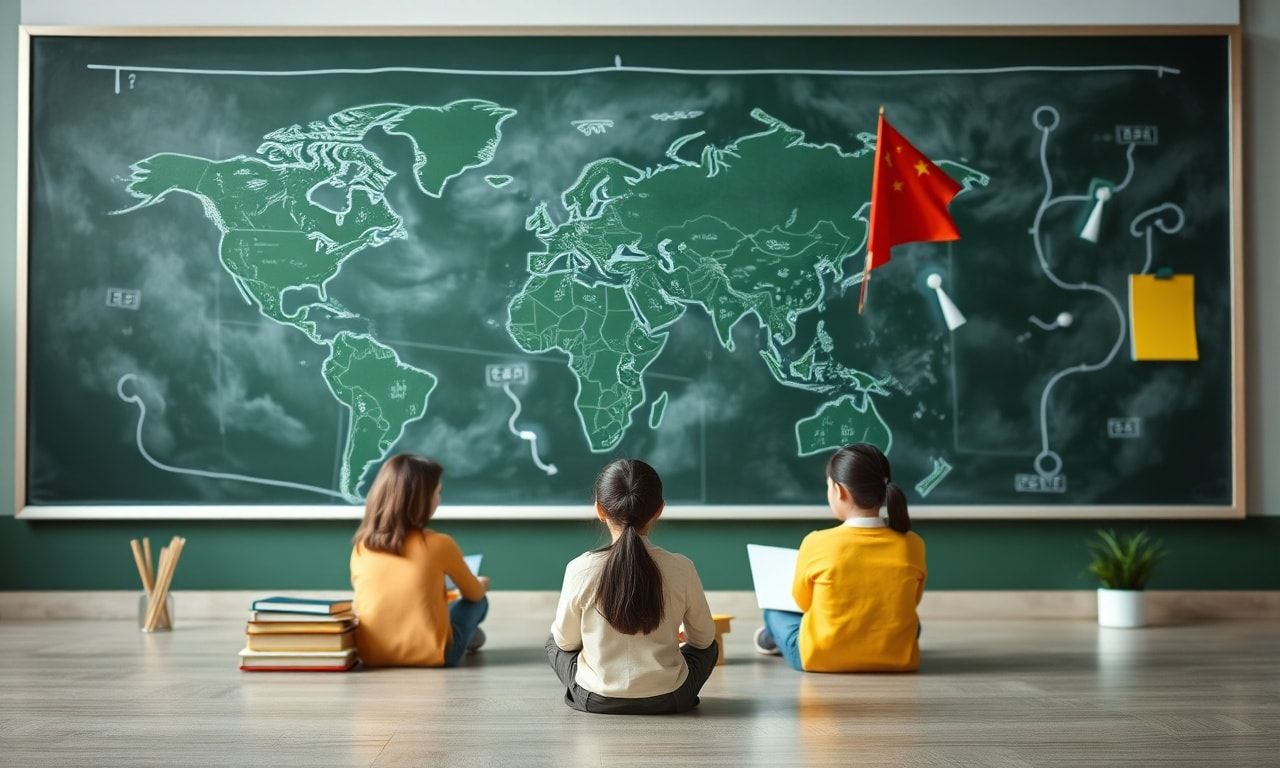
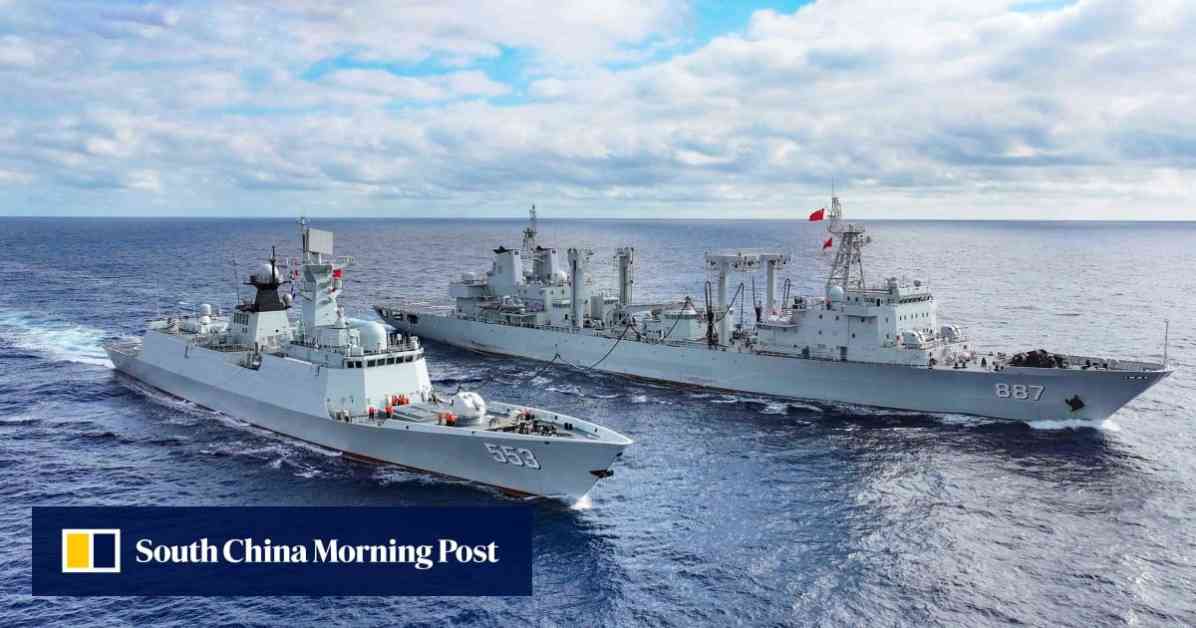
Geopolitical dynamics have undergone significant transformations, with power centers shifting and alliances being redefined. The rise of China as a global economic powerhouse, coupled with its assertive stance in the South China Sea, has sparked debates about the future of international order. Meanwhile, the United States continues to navigate its role on the global stage, balancing its commitments to traditional allies with emerging partnerships in the Indo-Pacific region. These shifts are not merely about power plays; they also reflect deeper changes in economic, technological, and cultural influence.
The Role of Technology in Shaping International Relations
Technology has emerged as a pivotal factor in international relations, influencing everything from military strategy to economic competition. The development and deployment of artificial intelligence, quantum computing, and cyber capabilities have become critical areas of focus for nations seeking to maintain a competitive edge. The recent advancements in these fields have led to a new era of technological rivalry, with countries like the U.S., China, and Russia investing heavily in research and development. This technological race is not just about innovation; it also raises important questions about ethics, security, and the potential for global instability.
Economic Interdependence and Its Challenges
The global economy remains deeply interconnected, with supply chains stretching across continents and financial markets reacting to events in real-time. However, this interdependence has also exposed vulnerabilities, as seen during the COVID-19 pandemic. The disruptions in global supply chains highlighted the need for resilience and diversification. Countries are now exploring ways to reduce their dependence on single sources for critical goods and services, a trend that is reshaping trade patterns and economic policies. The ongoing trade tensions between the U.S. and China, as well as the impact of Brexit on European economies, are further examples of the challenges posed by economic interdependence.
The Importance of Multilateralism in Addressing Global Challenges
In the face of complex global challenges, multilateralism has become an essential tool for fostering cooperation and collective action. International organizations such as the United Nations, the World Health Organization, and the International Monetary Fund play crucial roles in addressing issues like climate change, pandemics, and economic inequality. However, the effectiveness of these organizations is often hindered by political divisions and competing national interests. The recent climate change conferences and global health summits have underscored the need for stronger international cooperation to tackle these pressing issues. As the world continues to grapple with these challenges, the importance of multilateralism cannot be overstated.
Climate Change and the Urgency of Global Action
Climate change remains one of the most pressing global challenges, with its impacts being felt across the globe. From extreme weather events to rising sea levels, the consequences of climate change are becoming increasingly apparent. The international community has made significant strides in addressing this issue, with the Paris Agreement serving as a landmark accord aimed at reducing greenhouse gas emissions. However, the pace of action has been uneven, with some countries making progress while others lag behind. The need for urgent and coordinated action is more critical than ever, as the window for preventing catastrophic climate change continues to narrow.
The Role of Media in Shaping Public Opinion
The media plays a crucial role in shaping public opinion and influencing international relations. In an era of misinformation and fake news, the need for accurate and reliable reporting has never been more important. Websites like güncel haberler son gelişmeler bugün provide up-to-date news and analysis, helping readers stay informed about the latest developments in global affairs. The media’s ability to inform and educate the public is essential for fostering a well-informed citizenry, which is vital for the functioning of democratic societies. As the world becomes increasingly interconnected, the role of the media in shaping global narratives will continue to be of paramount importance.
Conclusion: Navigating the Future of International Relations
The year 2023 has brought with it a host of challenges and opportunities in the realm of international relations. From geopolitical shifts to technological advancements, economic interdependence to the urgency of climate action, the global landscape is evolving at a rapid pace. As nations navigate these complexities, the need for informed and nuanced understanding of global affairs has never been more critical. By fostering cooperation, embracing innovation, and prioritizing sustainability, the international community can work together to address the challenges of our time and build a more stable and prosperous future.
As digital threats continue to reshape global security, our latest feature, defense strategies in the digital era, offers an in-depth analysis of the current landscape.