The Influence of Faith on Interior Design
The intersection of faith and interior design has long been a fascinating subject, with many homeowners seeking to infuse their living spaces with elements that reflect their spiritual beliefs. For Catholics, this often means incorporating symbols, colors, and artwork that hold significant religious meaning. The trend of faith-based home decoration has seen a resurgence in recent years, as more people look to create sanctuaries that nurture their spiritual well-being. This article explores how Catholic home decoration tips can transform a house into a home that resonates with faith and devotion.
The Symbolism of Sacred Art and Icons
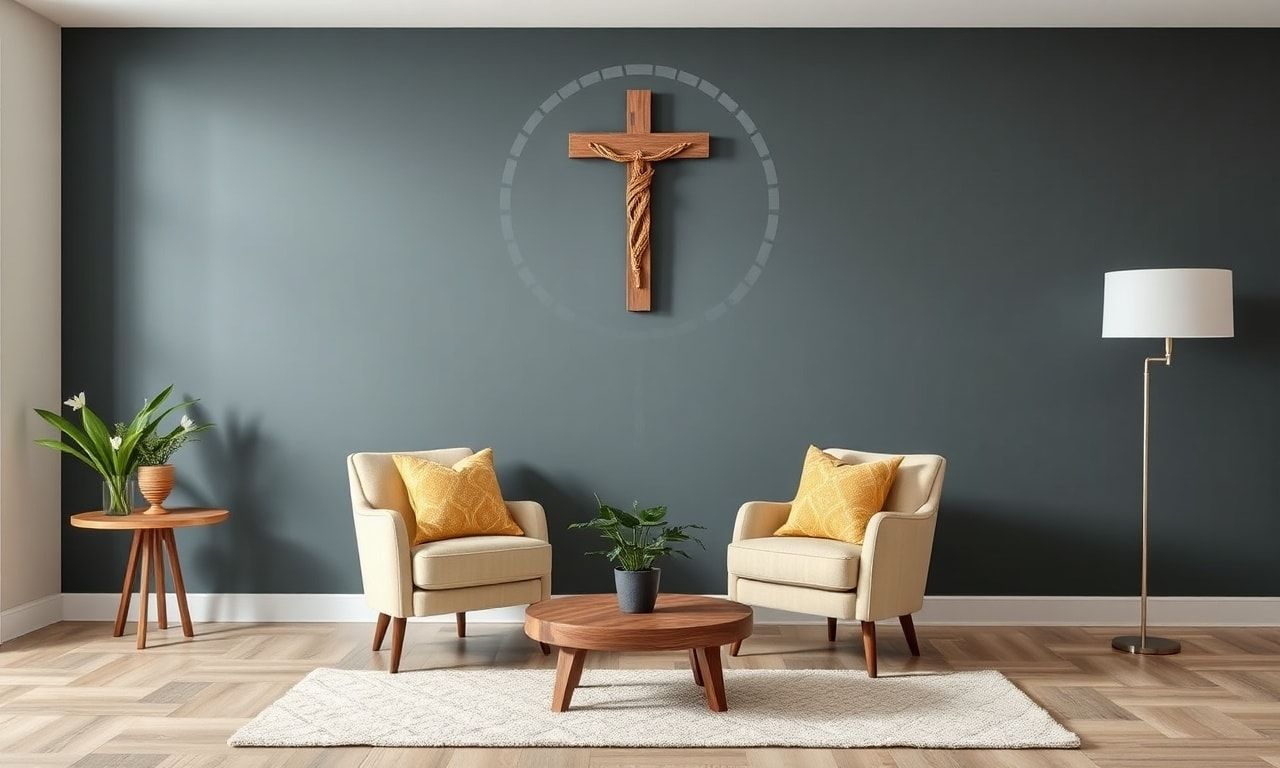
One of the most prominent ways Catholics incorporate their faith into home design is through the use of sacred art and icons. Images of the Virgin Mary, the Crucifix, and saints are common choices, often displayed in living rooms, bedrooms, or home offices. These pieces serve as constant reminders of one’s spiritual journey and can inspire moments of reflection and prayer. Additionally, the placement of these icons is crucial; they are often positioned in areas where family members gather, such as the dining room or family room, to foster a sense of unity and shared faith.
Choosing the Right Artwork
When selecting sacred artwork, it’s essential to choose pieces that resonate personally with the homeowner. Original paintings, prints, or even sculptures can add a touch of elegance and reverence to any space. For those looking for inspiration, visiting local churches or religious art galleries can provide a wealth of ideas. Online resources, such as Catholic home decoration tips, also offer a plethora of suggestions for incorporating faith-based art into home decor.
The Role of Color in Catholic Home Decoration
Color plays a significant role in Catholic home decoration, with each hue carrying its own symbolic meaning. For instance, white is often associated with purity and is commonly used in religious ceremonies. Blue, on the other hand, is linked to the Virgin Mary and is a popular choice for bedroom decor. Red, symbolizing the blood of Christ, can be used sparingly to add a touch of warmth and intensity to a space. Understanding the symbolism behind these colors can help homeowners create a cohesive and meaningful design scheme.
Creating a Color Palette
To create a harmonious color palette, start by selecting a primary color that holds personal significance. From there, choose complementary shades that enhance the overall aesthetic. For example, a living room decorated in shades of blue can be accented with gold and white to create a serene and inviting atmosphere. Incorporating these colors into furniture, textiles, and decorative accessories can help tie the room together and create a space that feels both sacred and comfortable.
Incorporating Religious Texts and Quotes
Another way to infuse Catholic home decoration with spiritual meaning is by incorporating religious texts and quotes. Framed verses from the Bible, prayers, or inspirational quotes from saints can serve as daily reminders of one’s faith. These can be displayed in hallways, entryways, or even bathrooms to create a sense of continuity throughout the home. Additionally, using calligraphy or elegant typography can add a touch of sophistication to these decorative elements.
Displaying Texts Creatively
There are numerous creative ways to display religious texts and quotes. Wall decals, framed prints, and even custom-made wall murals can make a bold statement. For a more subtle approach, consider incorporating these texts into smaller decorative items, such as throw pillows, mugs, or coasters. This allows homeowners to express their faith in a way that is both personal and tasteful.
The Importance of Sacred Spaces
Creating a sacred space within the home is a fundamental aspect of Catholic home decoration. This area can serve as a quiet retreat for prayer, meditation, or simply reflecting on one’s spiritual journey. Designating a specific corner or room for this purpose can help foster a sense of peace and tranquility. Elements such as a small altar, candles, and religious icons can enhance the ambiance and make the space feel more inviting.
Designing a Home Altar
When designing a home altar, consider incorporating items that hold personal significance. A crucifix, statues of saints, and a small Bible are common choices. Adding fresh flowers, candles, and a bowl of holy water can further enhance the sacred atmosphere. Placing the altar in a quiet, well-lit area can make it a focal point for daily prayer and reflection. For those seeking inspiration, exploring Catholic home decoration tips can provide valuable insights into creating a meaningful and beautiful altar.
Conclusion
The intersection of faith and design offers a unique opportunity to create a home that reflects one’s spiritual beliefs. By incorporating sacred art, meaningful colors, religious texts, and designated sacred spaces, Catholics can transform their living spaces into sanctuaries that nurture their faith. Whether through subtle accents or bold statements, the key is to create a home that feels both personal and sacred. For those looking to embark on this journey, resources like Catholic home decoration tips can provide a wealth of inspiration and guidance.
For a deeper understanding of this topic, The Intersection of Fashion and Interior offers valuable insights worth exploring.