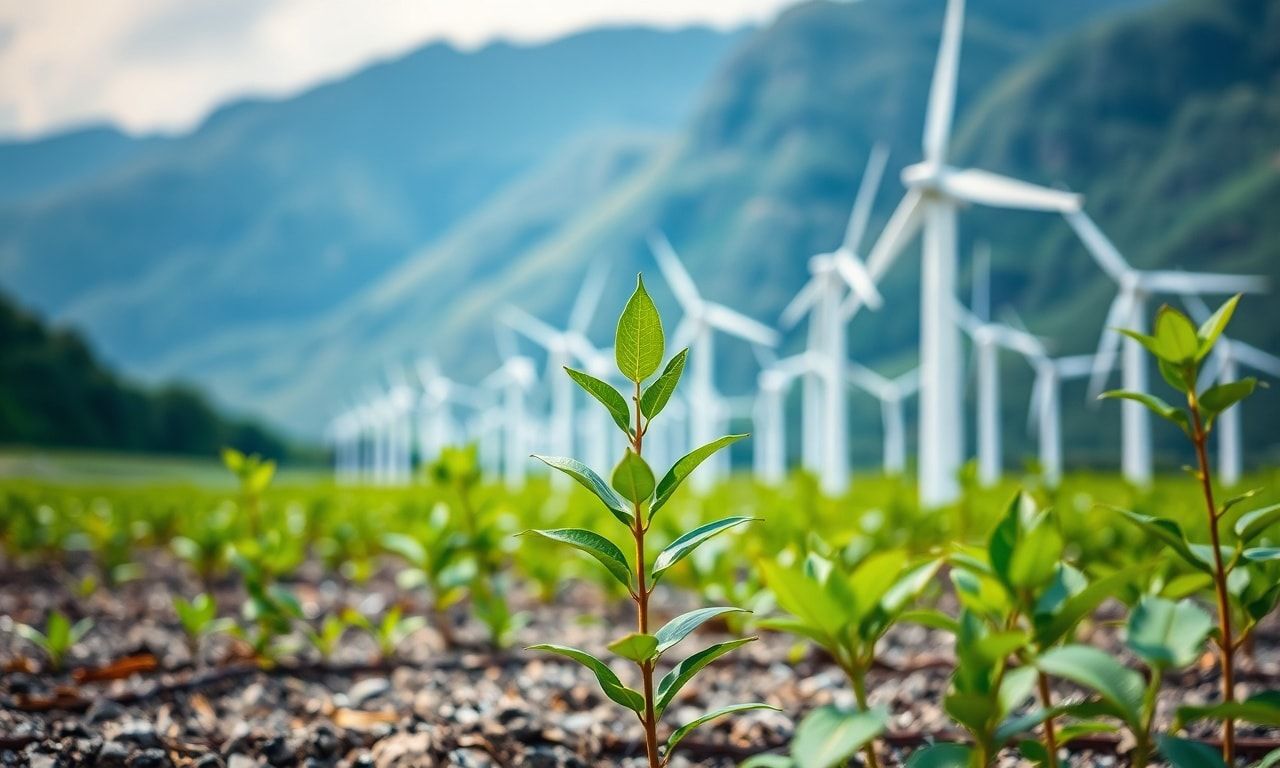
The Rise of Renewable Energy in China
China has emerged as a global leader in the renewable energy sector, with significant advancements in solar, wind, and hydroelectric power. The country’s commitment to reducing carbon emissions and transitioning to a sustainable energy model has been nothing short of remarkable. According to recent reports, China now accounts for nearly a third of the world’s total renewable energy capacity, a testament to its ambitious environmental policies and substantial investments in green technology.
The Chinese government has set a clear target to peak carbon emissions by 2030 and achieve carbon neutrality by 2060. To meet these goals, the country has implemented a series of strategic initiatives, including the development of large-scale renewable energy projects and the promotion of energy-efficient technologies. These efforts have not only contributed to China’s economic growth but have also positioned the nation as a role model for other countries striving to achieve sustainable development.
Solar Power: Harnessing the Sun’s Energy
Solar power has become a cornerstone of China’s renewable energy strategy. The country is the world’s largest producer of solar panels and has installed extensive solar farms across its vast territory. Notably, the Tengger Desert Solar Park in Ningxia, one of the largest solar installations globally, showcases China’s commitment to harnessing solar energy on an unprecedented scale. This massive project, spanning over 43 square kilometers, demonstrates the potential of solar power to meet the energy demands of a rapidly growing economy.
In addition to large-scale solar farms, China has also made significant strides in rooftop solar installations. The government has incentivized residential and commercial buildings to adopt solar technology, leading to a surge in distributed solar power generation. This decentralized approach not only reduces the strain on the national grid but also empowers local communities to contribute to the country’s renewable energy goals.
Wind Energy: Tapping into the Power of the Wind
Wind energy is another critical component of China’s renewable energy portfolio. The country has invested heavily in both onshore and offshore wind farms, with a particular focus on the coastal regions of Jiangsu, Shandong, and Fujian. These areas boast some of the world’s most advanced wind turbines, capable of generating substantial amounts of clean energy. The rapid expansion of wind power has not only helped China reduce its reliance on fossil fuels but has also created numerous job opportunities in the renewable energy sector.
The development of offshore wind farms has been particularly noteworthy. China’s offshore wind capacity has grown exponentially in recent years, thanks to technological advancements and favorable government policies. The country is now home to several of the world’s largest offshore wind projects, including the Jiangsu Coastal Wind Farm, which has a total capacity of over 400 megawatts. These projects highlight China’s commitment to exploring innovative solutions for sustainable energy generation.
Hydropower: The Backbone of China’s Renewable Energy Mix
Hydropower has long been a vital part of China’s energy mix, with the country boasting some of the world’s largest hydroelectric dams. The Three Gorges Dam, located on the Yangtze River, is a prime example of China’s ambitious hydropower projects. With a total capacity of 22,500 megawatts, it is the largest hydroelectric dam in the world and a testament to China’s engineering prowess. The dam not only generates clean energy but also helps regulate river flow, preventing floods and ensuring water supply for millions of people.
In addition to large-scale dams, China has also invested in smaller hydropower projects, particularly in rural and remote areas. These projects provide a reliable source of electricity to communities that were previously dependent on diesel generators, which are both expensive and environmentally harmful. By promoting decentralized hydropower solutions, China is not only reducing its carbon footprint but also improving the quality of life for its citizens.
Global Implications and Collaborations
China’s success in the renewable energy sector has far-reaching implications for the global fight against climate change. The country’s technological advancements and policy innovations serve as a blueprint for other nations seeking to transition to a sustainable energy model. Furthermore, China’s willingness to collaborate with international partners on renewable energy projects has fostered a spirit of global cooperation in the pursuit of a greener future.
For instance, China has been actively involved in the development of renewable energy projects in Africa, providing both financial and technical support to countries such as South Africa, Kenya, and Morocco. These initiatives not only help these nations achieve their energy goals but also contribute to the global effort to combat climate change. By sharing its expertise and resources, China is playing a pivotal role in shaping a more sustainable and equitable world.
Moreover, China’s commitment to renewable energy has spurred innovation and competition in the global market. The country’s dominance in solar panel production, for example, has driven down the cost of solar technology, making it more accessible to developing nations. This has led to a significant increase in the adoption of solar power worldwide, further accelerating the transition to renewable energy.
Challenges and Future Prospects
Despite its remarkable progress, China still faces several challenges in its quest for a sustainable energy future. One of the primary obstacles is the need to balance economic growth with environmental protection. As the country continues to industrialize, it must ensure that its energy policies do not compromise its long-term sustainability goals. This requires a delicate balance between promoting economic development and implementing stringent environmental regulations.
Another challenge is the integration of renewable energy into the national grid. As the share of renewable energy in China’s energy mix continues to grow, the country must invest in advanced grid technologies to ensure stable and efficient energy distribution. This includes the development of smart grids, energy storage systems, and demand response mechanisms, all of which are crucial for the successful integration of renewable energy sources.
Looking ahead, China’s commitment to renewable energy is expected to remain steadfast. The country’s ambitious targets for carbon neutrality and its ongoing investments in green technology position it as a global leader in the fight against climate change. By continuing to innovate and collaborate with international partners, China can pave the way for a more sustainable and prosperous future for all.
For more updates on global sustainability efforts, including insights into local governance initiatives, you can visit the edinburgh council meetings updates for a comprehensive overview of community-driven environmental projects.