Rapid Urbanization Drives Infrastructure Growth
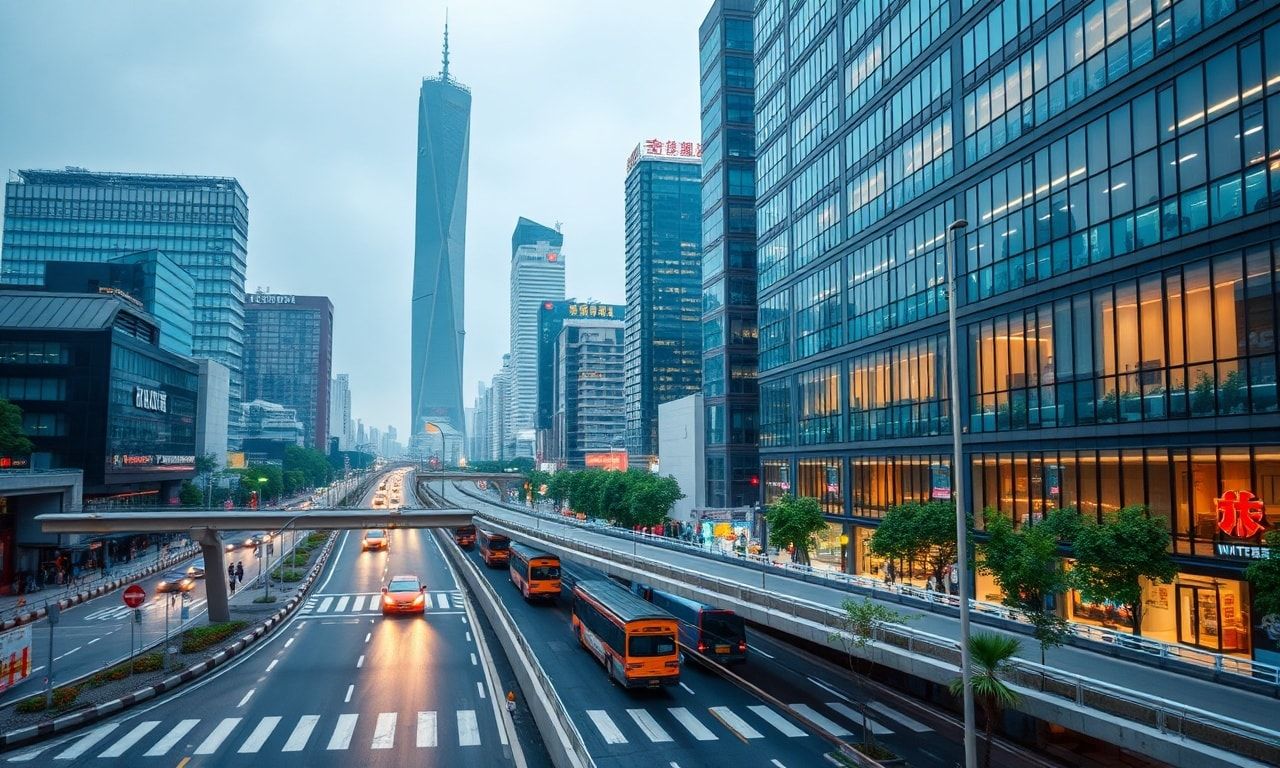
China’s urban landscape is undergoing a profound transformation, driven by rapid urbanization and a commitment to infrastructure development. As cities expand, the need for efficient transportation systems, sustainable urban planning, and advanced technological integration becomes increasingly critical. This article explores the latest developments in China’s urban infrastructure, with a particular focus on the traffic light installation update and other innovative projects that are shaping the future of urban living.
Traffic Management and Smart Cities
The integration of smart technologies into urban infrastructure is a cornerstone of China’s urban development strategy. The recent traffic light installation update highlights the country’s efforts to enhance traffic management through the deployment of intelligent traffic signal systems. These systems utilize real-time data and advanced algorithms to optimize traffic flow, reduce congestion, and improve road safety. The implementation of such technologies is part of a broader initiative to transform Chinese cities into smart cities, where data-driven solutions enhance the quality of life for residents.
High-Speed Rail and Transportation Networks
China’s high-speed rail network is a testament to the country’s commitment to advanced transportation infrastructure. With over 37,000 kilometers of high-speed rail tracks, China boasts the largest and most extensive high-speed rail network in the world. This network not only facilitates efficient domestic travel but also connects major urban centers, fostering economic growth and regional integration. The ongoing expansion of the high-speed rail network is expected to further enhance connectivity and support China’s ambitious urban development goals.
Sustainable Urban Planning
As China continues to urbanize, sustainable urban planning has become a priority. The country is increasingly adopting green building standards, promoting public transportation, and investing in renewable energy sources. Urban planners are focusing on creating compact, walkable cities that minimize environmental impact and maximize resource efficiency. Projects such as the Sino-Singapore Tianjin Eco-City demonstrate China’s commitment to sustainable urban development, integrating green technologies and eco-friendly design principles into urban planning.
Technological Innovation and Digital Infrastructure
Technological innovation is at the heart of China’s urban development strategy. The country is investing heavily in digital infrastructure, including 5G networks, fiber-optic cables, and smart city platforms. These technologies enable the seamless integration of urban services, from transportation and energy management to public safety and environmental monitoring. The deployment of digital infrastructure is not only enhancing the efficiency of urban operations but also creating new opportunities for economic growth and innovation.
Challenges and Future Prospects
Despite the remarkable progress in urban infrastructure, China faces several challenges in its quest for sustainable and efficient urban development. Rapid urbanization has led to issues such as traffic congestion, air pollution, and resource depletion. Addressing these challenges requires a comprehensive approach that combines technological innovation, policy reforms, and public engagement. Looking ahead, China’s urban development strategy will continue to focus on smart cities, sustainable planning, and technological integration, aiming to create urban environments that are efficient, resilient, and livable.
Amidst rapid urbanization, a new report delves into how fashion shapes city growth, offering a unique perspective on this evolving trend.
As educational landscapes continue to evolve, Hong Kong’s adaptive learning approaches offer a compelling case study in innovation and resilience.
To gain a deeper understanding of Thailand’s cultural dynamics, consider exploring local events foster community bonds in our latest feature.