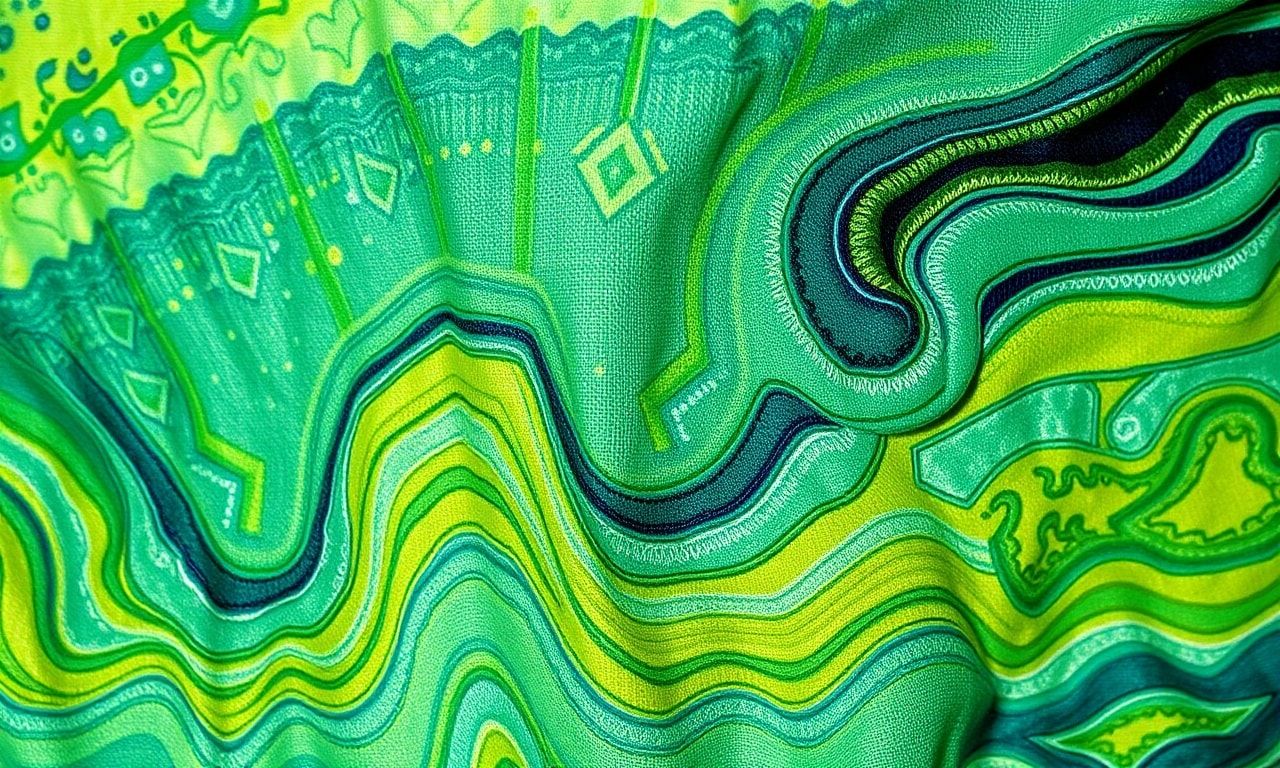
The Timeless Art of Fabric Dyeing
The art of fabric dyeing is a practice that has been around for centuries, with evidence of dyed textiles dating back to ancient civilizations. This traditional craft involves the application of colors to textile materials using various techniques and natural or synthetic dyes. In recent years, there has been a resurgence of interest in this age-old practice, as people seek to reconnect with their cultural heritage and embrace sustainable, eco-friendly practices.
Fabric dyeing is not just about adding color to cloth; it is a complex process that requires a deep understanding of chemistry, art, and craftsmanship. The choice of dye, the method of application, and the type of fabric all play crucial roles in determining the final outcome. Whether it’s the vibrant hues of batik from Indonesia, the intricate patterns of shibori from Japan, or the bold designs of adire from Nigeria, each technique tells a unique story and reflects the cultural identity of its origin.
The Modern Revival of Fabric Dyeing
In today’s fast-paced world, where fast fashion dominates, the art of fabric dyeing is experiencing a revival. Consumers are increasingly seeking unique, handcrafted items that tell a story and have a lower environmental impact. This shift in consumer behavior has led to a renewed appreciation for traditional dyeing techniques and the use of natural dyes.
Artisans and small businesses are at the forefront of this revival, using social media and e-commerce platforms to reach a global audience. They are not only preserving traditional techniques but also innovating and experimenting with new methods and materials. For example, some artisans are exploring the use of plant-based dyes, which are more sustainable and eco-friendly than synthetic dyes. Others are incorporating modern technology, such as digital printing, to create intricate designs that would be difficult to achieve using traditional methods.
The Role of Technology in Fabric Dyeing
Technology has played a significant role in the evolution of fabric dyeing. While traditional methods are still valued and practiced, modern technology has opened up new possibilities for artisans and designers. For instance, digital printing allows for the creation of complex, multi-colored designs with a high degree of precision. This technology has made it possible to produce small batches of custom-designed fabrics, catering to the growing demand for personalized and unique products.
In addition to digital printing, other technological advancements have also impacted the fabric dyeing industry. Automated dyeing machines, for example, have improved efficiency and consistency in large-scale production. These machines can control factors such as temperature, time, and dye concentration, ensuring that the final product meets the desired quality standards. However, despite these advancements, the human touch remains irreplaceable, as it is the artisans’ creativity and skill that bring life to the fabric.
The Importance of Sustainable Practices
As the world becomes more aware of the environmental impact of the fashion industry, there is a growing emphasis on sustainability in fabric dyeing. Traditional dyeing methods often involve the use of natural dyes derived from plants, minerals, and other organic materials. These dyes are not only eco-friendly but also biodegradable, making them a more sustainable choice compared to synthetic dyes.
Moreover, the use of natural dyes supports local economies and promotes biodiversity. Farmers and collectors of natural dye materials play a crucial role in preserving traditional knowledge and practices. By supporting these communities, the fabric dyeing industry can contribute to the conservation of natural resources and the promotion of sustainable livelihoods. For those interested in exploring the world of natural dyes, resources like kumaş boyama işleri için en iyi malzemeler offer a wealth of information and high-quality materials to get started.
The Future of Fabric Dyeing
The future of fabric dyeing looks promising, with a growing interest in traditional techniques and sustainable practices. As consumers become more conscious of their environmental impact, the demand for eco-friendly and ethically produced textiles is expected to rise. This shift presents an opportunity for artisans and small businesses to innovate and adapt to the changing market demands.
Furthermore, the integration of technology and traditional craftsmanship offers exciting possibilities for the future of fabric dyeing. By combining the best of both worlds, artisans can create unique, high-quality products that appeal to a global audience. Whether it’s through the use of digital printing, automated dyeing machines, or the exploration of new natural dye sources, the art of fabric dyeing continues to evolve and thrive in the modern world.
In conclusion, the art of fabric dyeing is a testament to the enduring power of tradition and innovation. As we navigate the challenges of the 21st century, the lessons learned from this ancient craft can guide us towards a more sustainable and culturally rich future. By embracing the art of fabric dyeing, we not only preserve our cultural heritage but also contribute to a more sustainable and vibrant world.
In the midst of today’s fast-paced news cycle, consider exploring practicing mindfulness in daily life to find balance and meaning.
In the ever-evolving landscape of industry and commerce, Iowa’s textile sector stands out as a compelling case study in balancing heritage and progress.
To gain a deeper understanding of the latest developments in the textile industry, consider exploring Turkey’s clothing sector investments and their impact on the market.