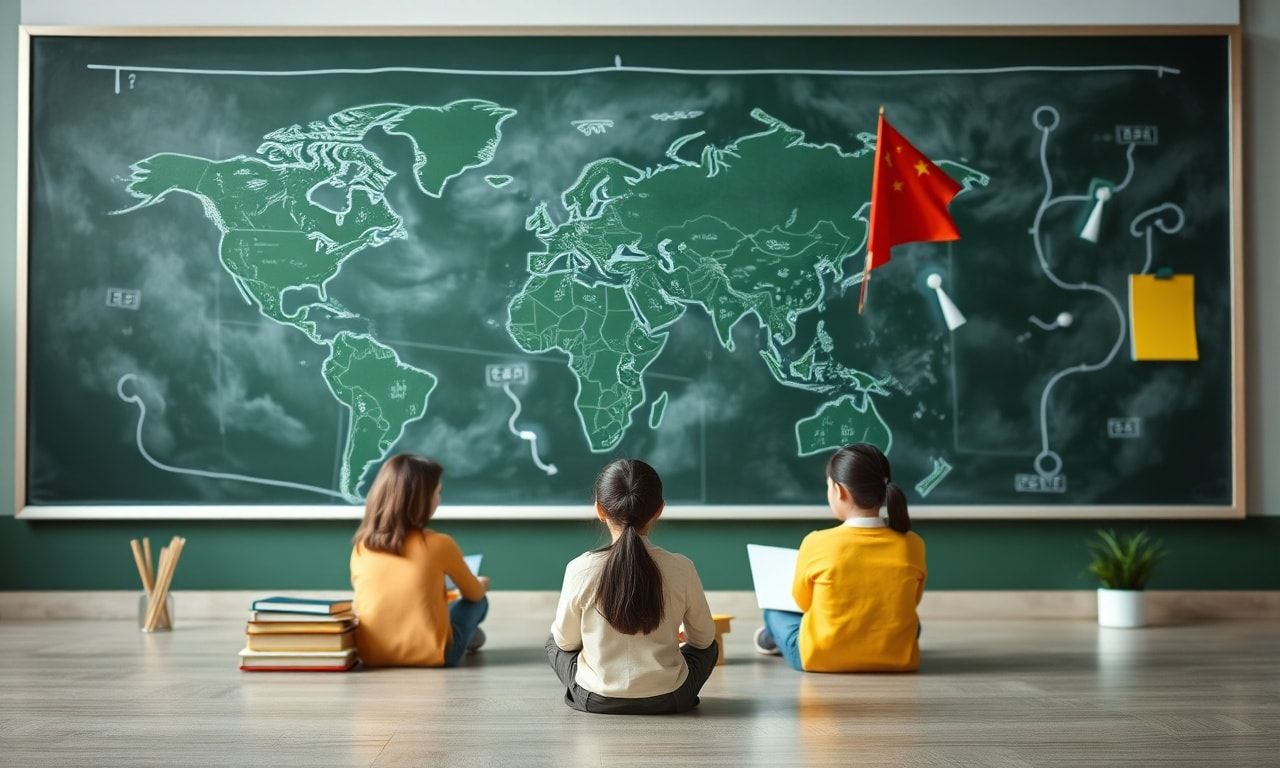
The New Era of Education Policy in China
China’s education sector is undergoing a significant transformation, driven by a series of policy changes aimed at addressing the evolving needs of the nation’s students and aligning with global educational trends. These changes come at a time when the world is witnessing a shift towards more inclusive, technology-driven, and student-centered education models. The Chinese government has been proactive in implementing these changes, with a focus on improving the quality of education and ensuring that students are well-prepared for the challenges of the 21st century.
Key Policy Changes and Their Impact
The recent policy changes in China’s education sector are multifaceted and touch upon various aspects of the educational system. One of the most notable changes is the reduction in homework and extracurricular burden on students, particularly in primary and secondary schools. This move is part of a broader effort to promote a healthier and more balanced lifestyle for students, who have often been subjected to intense academic pressure. Additionally, there has been a push towards integrating technology into the classroom, with a focus on digital literacy and the use of educational software and platforms.
Another significant change is the emphasis on vocational education and training. The Chinese government has recognized the importance of equipping students with practical skills that are in demand in the job market. This has led to the establishment of new vocational schools and the expansion of existing ones, as well as the introduction of new curricula that focus on hands-on learning and apprenticeships. These changes are expected to have a profound impact on the future of work in China, as more students will be prepared to enter the workforce with the skills and knowledge they need to succeed.
The Role of International Collaboration
As China continues to reform its education system, it is also looking to the international community for collaboration and best practices. The government has been actively engaging with other countries to share knowledge and expertise, and to learn from the experiences of other education systems. This collaboration is expected to lead to the adoption of new teaching methods and curricula, as well as the establishment of new partnerships between Chinese and international educational institutions.
One area where international collaboration is particularly important is in the field of education news policy changes. As reported by education news policy changes, there is a growing recognition of the need for education policies to be informed by the latest research and data. This is particularly important in a rapidly changing world, where new technologies and global trends are constantly reshaping the educational landscape. By working together, countries can ensure that their education policies are based on the best available evidence and are responsive to the needs of their students.
Challenges and Opportunities
While the recent policy changes in China’s education sector are largely positive, they also present some challenges. One of the main challenges is ensuring that the changes are implemented effectively and consistently across the country. This requires a significant investment in teacher training and professional development, as well as the provision of adequate resources and support to schools and educators. Additionally, there is a need to ensure that the changes are accessible to all students, regardless of their background or location.
Despite these challenges, there are also many opportunities for innovation and improvement. The integration of technology into the classroom, for example, presents an opportunity to create more engaging and interactive learning experiences for students. Similarly, the emphasis on vocational education and training presents an opportunity to address skills gaps in the job market and to promote economic growth and development. By seizing these opportunities, China can continue to build a world-class education system that prepares its students for the challenges and opportunities of the 21st century.
Conclusion
China’s education sector is undergoing a significant transformation, driven by a series of policy changes aimed at improving the quality of education and ensuring that students are well-prepared for the future. These changes are part of a broader effort to promote a healthier and more balanced lifestyle for students, to integrate technology into the classroom, and to equip students with the practical skills they need to succeed in the job market. While there are challenges to be overcome, there are also many opportunities for innovation and improvement. By working together and learning from the experiences of other countries, China can continue to build a world-class education system that prepares its students for the challenges and opportunities of the 21st century.
To understand the broader impacts of military activities, consider exploring how defense events influence communities in this insightful piece.
In the realm of current events, athletes often extend their influence beyond the field, as explored in how sports stars impact communities, a compelling look at their off-field contributions.
As cities worldwide grapple with evolving transportation challenges, our latest report examines urban mobility advancements shaping the future of commuting.