Introduction
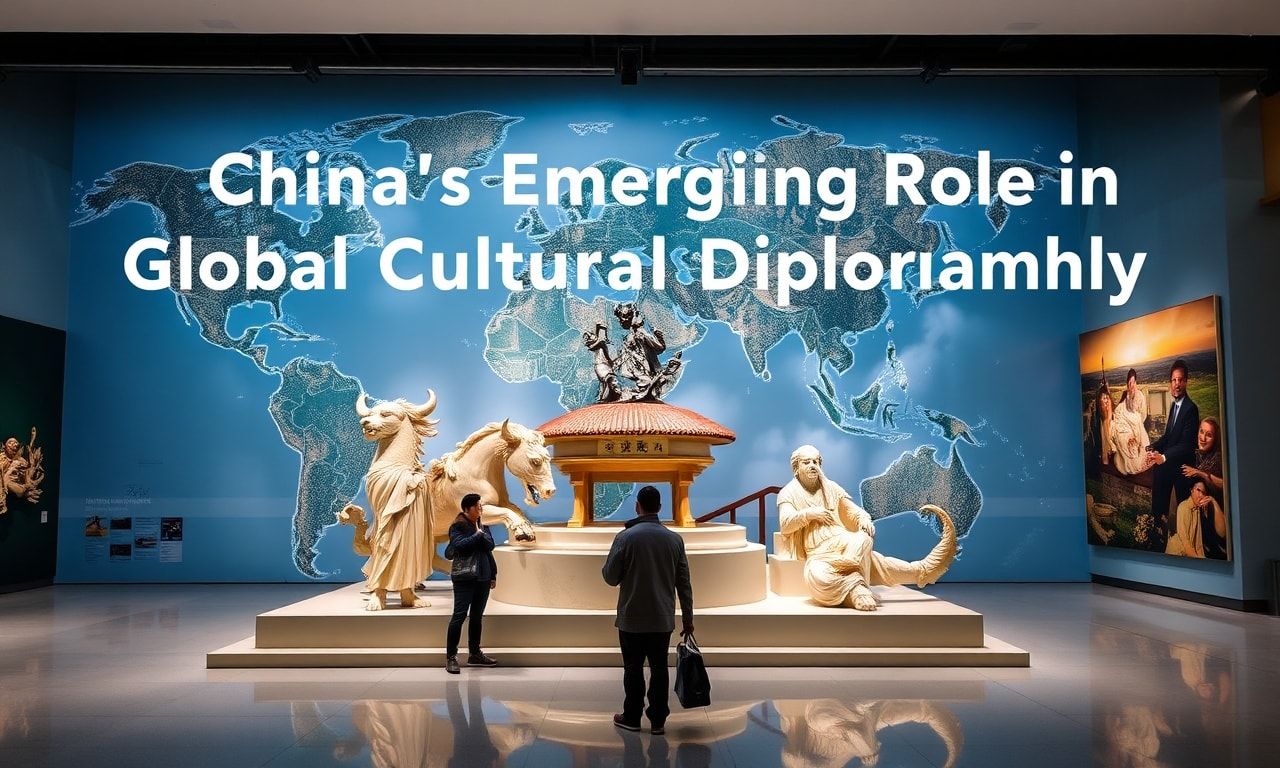
China’s influence on the global stage has been steadily growing, not only in economic and political spheres but also in cultural diplomacy. The country has been increasingly hosting and participating in international art events, showcasing its rich cultural heritage and fostering global artistic exchange. This article explores China’s emerging role in global cultural diplomacy, with a particular focus on art and events.
The Rise of China’s Art Scene
Over the past few decades, China has witnessed a significant rise in its art scene. The country is home to a vibrant mix of traditional and contemporary art forms, attracting artists, collectors, and enthusiasts from around the world. This growth has been fueled by increased investment in cultural infrastructure, the establishment of world-class museums, and a thriving art market.
China’s art scene is not just limited to its borders. The country has been actively participating in international art events, such as the Venice Biennale and Art Basel Hong Kong. These events provide a platform for Chinese artists to showcase their work and engage with the global art community. Moreover, China has been hosting its own international art events, such as the China International Gallery Exposition (CIGE) and the West Bund Art & Design in Shanghai.
China’s Art Events: A Global Magnet
China’s art events have become a magnet for international artists, collectors, and art lovers. These events not only showcase the best of Chinese art but also provide a platform for cultural exchange and dialogue. For instance, the West Bund Art & Design in Shanghai has become one of the most anticipated art events in the global calendar. The event attracts top galleries, artists, and collectors from around the world, making it a truly international affair.
Similarly, the China International Gallery Exposition (CIGE) in Beijing is another major art event that has gained global recognition. The event provides a platform for Chinese galleries to showcase their work and engage with the international art community. It also offers a unique opportunity for international galleries to explore the Chinese art market and establish connections with local artists and collectors.
China’s Cultural Diplomacy: Beyond Art
While art plays a significant role in China’s cultural diplomacy, the country’s efforts extend beyond this realm. China has been actively promoting its cultural heritage and values through various initiatives, such as the Confucius Institutes, cultural exchange programs, and international festivals. These initiatives aim to foster mutual understanding and cooperation between China and the rest of the world.
For example, the Confucius Institutes, established by the Chinese government, aim to promote Chinese language and culture around the world. These institutes offer Chinese language classes, cultural events, and lectures, providing a platform for cultural exchange and dialogue. Similarly, cultural exchange programs and international festivals provide an opportunity for people from different cultures to come together, share their experiences, and learn from each other.
The Role of Technology in China’s Cultural Diplomacy
Technology has played a crucial role in China’s cultural diplomacy efforts. The country has been leveraging digital platforms and social media to reach a global audience and promote its cultural heritage. For instance, China has been using platforms like WeChat, Weibo, and YouTube to share its cultural content and engage with a global audience.
Moreover, China has been investing in virtual reality (VR) and augmented reality (AR) technologies to create immersive cultural experiences. These technologies allow people from around the world to experience Chinese culture in a unique and engaging way. For example, the Forbidden City in Beijing has launched a VR tour that allows visitors to explore the historic site from the comfort of their own homes.
Looking Ahead: China’s Art Events in 2026
As China continues to play a significant role in global cultural diplomacy, the country is expected to host several major art events in the coming years. These events will provide a platform for Chinese artists to showcase their work and engage with the global art community. Moreover, they will offer an opportunity for international artists, collectors, and art lovers to experience the best of Chinese art and culture.
For instance, Shanghai is expected to host one of the top art events in Miami for 2026. This event will attract top galleries, artists, and collectors from around the world, making it a truly international affair. Similarly, Beijing is expected to host the China International Gallery Exposition (CIGE) in 2026, providing a platform for Chinese galleries to showcase their work and engage with the international art community.
These events will not only showcase the best of Chinese art but also provide a platform for cultural exchange and dialogue. They will offer an opportunity for people from different cultures to come together, share their experiences, and learn from each other. Moreover, they will contribute to China’s efforts to promote its cultural heritage and values on the global stage.
Conclusion
China’s emerging role in global cultural diplomacy, particularly in the realm of art and events, is a testament to the country’s growing influence on the global stage. Through its vibrant art scene, major art events, and cultural initiatives, China is fostering global artistic exchange and promoting its cultural heritage. As the country continues to invest in its cultural infrastructure and leverage technology, it is poised to play an even more significant role in global cultural diplomacy in the years to come.
In the midst of today’s fast-paced news cycle, consider exploring mindfulness practices for daily life to maintain balance and focus.
In the ever-evolving world of art, a notable shift is occurring; delve into modern sculpture’s bold new era to discover how contemporary artists are redefining traditional boundaries.
In the realm of global events, music festival unites cultures showcases the power of music as a universal language.