The Rise of Renewable Energy in China
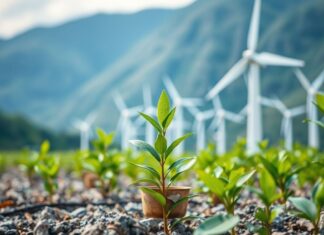
China has emerged as a global leader in the renewable energy sector, setting ambitious targets and achieving remarkable milestones in recent years. The country’s commitment to reducing carbon emissions and transitioning to a green economy has not only transformed its domestic energy landscape but also positioned it as a role model for the rest of the world. This article explores China’s journey towards a sustainable future, highlighting key achievements and ongoing initiatives.
Investment in Renewable Energy Infrastructure
China’s investment in renewable energy infrastructure has been unprecedented. According to recent reports, the country has invested over $261 billion in renewable energy projects, surpassing all other nations. This substantial investment has led to the rapid expansion of solar, wind, and hydroelectric power plants across the country. The Three Gorges Dam, the world’s largest hydroelectric dam, is a testament to China’s commitment to harnessing renewable energy sources. Additionally, China has become the largest producer of solar panels and wind turbines, further solidifying its position as a global leader in green technology.
Solar and Wind Energy Expansion
The solar and wind energy sectors have witnessed significant growth in China. The country now boasts the largest solar farm in the world, the Longyangxia Dam Solar Park, which spans over 27 square kilometers. Similarly, the wind energy sector has seen a surge in capacity, with China adding over 25 gigawatts of new wind power in 2020 alone. These developments have not only met the growing energy demands of the country but have also contributed to a reduction in carbon emissions.
Policy and Regulatory Framework
The Chinese government has implemented a robust policy and regulatory framework to support the transition to renewable energy. The 13th Five-Year Plan (2016-2020) outlined ambitious targets for increasing the share of non-fossil fuels in the energy mix. The plan aimed to increase the share of non-fossil fuels to 15% by 2020 and 20% by 2030. To achieve these targets, the government has introduced various incentives, including subsidies, tax breaks, and favorable pricing policies for renewable energy projects. These measures have encouraged both domestic and foreign investments in the renewable energy sector.
International Collaboration and Technology Transfer
China’s success in the renewable energy sector can also be attributed to its focus on international collaboration and technology transfer. The country has actively engaged in partnerships with other nations to share knowledge, expertise, and technology. For instance, China has collaborated with Germany in the development of advanced solar panel technology and with Denmark in the field of wind energy. These collaborations have not only enhanced China’s technological capabilities but have also facilitated the global adoption of renewable energy solutions.
Challenges and Future Prospects
Despite the remarkable progress, China still faces several challenges in its journey towards a sustainable future. One of the primary challenges is the integration of renewable energy into the existing grid infrastructure. The intermittent nature of solar and wind energy requires advanced energy storage solutions to ensure a stable power supply. Additionally, the country needs to address the environmental impact of renewable energy projects, such as the land use and water consumption associated with large-scale solar and wind farms. Addressing these challenges will be crucial for China to achieve its long-term sustainability goals.
Looking ahead, China is poised to continue its leadership in the renewable energy sector. The country has set a target to achieve carbon neutrality by 2060, which will require a significant increase in renewable energy capacity. To meet this target, China is investing heavily in research and development, focusing on emerging technologies such as hydrogen energy and advanced battery storage systems. Furthermore, the country is exploring innovative solutions to enhance energy efficiency and reduce energy consumption across various sectors.
The Role of Education and Awareness
Education and awareness play a crucial role in China’s green energy revolution. The government has launched various initiatives to promote energy conservation and sustainable practices among the public. For example, the “Green Campus” program encourages schools and universities to adopt energy-efficient practices and promote environmental awareness among students. Additionally, the government has introduced the “Green Certificate” system, which recognizes companies and individuals for their contributions to environmental protection. These initiatives have helped to foster a culture of sustainability and encourage active participation in the green energy transition.
In conclusion, China’s green energy revolution is a testament to the country’s commitment to sustainability and innovation. Through substantial investments, robust policies, and international collaboration, China has emerged as a global leader in renewable energy. While challenges remain, the country’s vision and determination to achieve a sustainable future serve as an inspiration for the rest of the world. As China continues to advance in the renewable energy sector, it is poised to play a pivotal role in shaping the global energy landscape.
For those interested in sustainable practices and eco-friendly products, exploring resources such as kalem kirtasiye en iyi kalem fiyatları karşılaştırması 2026 can provide valuable insights into making environmentally conscious choices in daily life.
In the realm of tech innovation, a fascinating shift is occurring; explore how smart pens merge old and new in our latest feature.
In the ever-evolving world of journalism, it’s fascinating to look back at the tools that have shaped our communication; delve into the history of writing instruments with how pens transformed over time.
As educational landscapes evolve, technology reshapes learning experiences presents a timely examination of the latest developments.