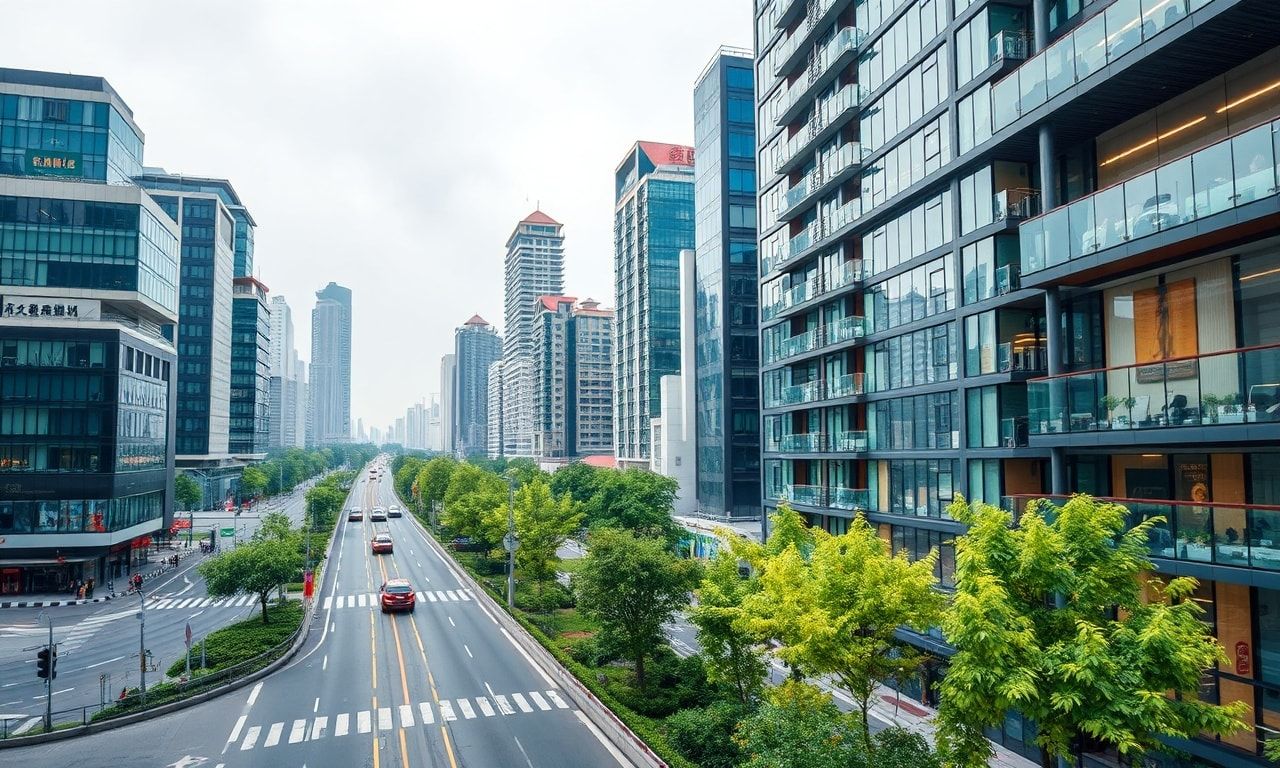
The Vision Behind China’s Green Cities Initiative
China has been making significant strides in sustainable urban development, aiming to create eco-friendly cities that balance economic growth with environmental conservation. The country’s ambitious Green Cities Initiative is a testament to its commitment to reducing carbon emissions and promoting sustainable living. This initiative is part of China’s broader strategy to combat climate change and improve the quality of life for its citizens.
The Green Cities Initiative focuses on several key areas, including renewable energy, green transportation, and sustainable urban planning. By integrating these elements, China aims to create cities that are not only economically vibrant but also environmentally sustainable. The initiative is supported by substantial government investment and collaboration with international experts to ensure the adoption of best practices in urban sustainability.
Renewable Energy Integration
One of the cornerstones of the Green Cities Initiative is the integration of renewable energy sources into urban infrastructure. China has been rapidly expanding its capacity for solar and wind energy, with the goal of making renewable energy a significant portion of the country’s energy mix. This shift is crucial for reducing reliance on fossil fuels and decreasing carbon emissions.
Cities like Shanghai and Beijing are leading the way in renewable energy adoption. Shanghai, for instance, has implemented large-scale solar projects on rooftops and in industrial areas. The city also plans to increase its wind energy capacity significantly in the coming years. These efforts are part of a broader national strategy to achieve carbon neutrality by 2060, as announced by President Xi Jinping.
Green Transportation Networks
Another critical aspect of the Green Cities Initiative is the development of green transportation networks. China is investing heavily in electric vehicles (EVs) and public transportation systems powered by clean energy. The country has become the world’s largest market for EVs, with a growing number of charging stations and supportive policies for EV manufacturers.
In addition to EVs, China is expanding its high-speed rail network, which is already the most extensive in the world. High-speed rail is a more energy-efficient and environmentally friendly alternative to air travel and road transportation. The country is also promoting the use of bicycles and pedestrian-friendly infrastructure in urban areas to reduce traffic congestion and air pollution.
Sustainable Urban Planning
Sustainable urban planning is at the heart of China’s Green Cities Initiative. The country is adopting innovative urban design principles that prioritize green spaces, energy-efficient buildings, and waste management systems. These principles are being implemented in new urban developments as well as in the retrofitting of existing cities.
For example, the city of Shenzhen has been recognized for its sustainable urban planning efforts. The city has implemented a comprehensive waste management system that includes recycling and composting programs. Shenzhen has also been a leader in the adoption of green building standards, with many new buildings designed to be energy-efficient and environmentally friendly.
China’s approach to sustainable urban development is not only benefiting the environment but also enhancing the quality of life for its citizens. By creating cities that are clean, green, and efficient, China is setting a global example for sustainable urban living. As the country continues to invest in renewable energy, green transportation, and sustainable urban planning, it is poised to become a leader in the fight against climate change.
Fashion and Sustainability
While China’s focus on sustainable urban development is commendable, it is also important to consider the role of other industries in promoting sustainability. The fashion industry, for instance, has a significant impact on the environment, and efforts are being made to make it more sustainable. According to latest fashion news 2026, there is a growing trend towards eco-friendly materials and ethical production practices in the fashion world. This shift is crucial for reducing the environmental footprint of the fashion industry and promoting sustainable living.
In conclusion, China’s Green Cities Initiative is a comprehensive and innovative approach to sustainable urban development. By integrating renewable energy, green transportation, and sustainable urban planning, China is creating cities that are not only economically vibrant but also environmentally sustainable. The country’s efforts in this area are setting a global example and contributing to the fight against climate change. As China continues to invest in sustainable development, it is poised to become a leader in the creation of eco-friendly cities.
Explore the evolving role of fashion in political discourse with politics through clothing choices, a fascinating look at how sartorial diplomacy is shaping current events.
As the media landscape continues to evolve, understanding the shifts in journalism is crucial; explore the changes in journalism’s digital transformation for an in-depth analysis.
For more insights on this topic, you might find Telegram: Güvenlik ve Özel İletişim İçin particularly informative.